13 min read
'%3e%3cg%20clip-path='url(%23b6dc094121)'%3e%3cpath%20fill='%230066cc'%20d='M%2012.707031%205.710938%20L%2012.707031%2035.761719%20L%2037.007812%2035.761719%20L%2037.007812%205.710938%20Z%20M%2012.707031%205.710938%20'%20fill-opacity='1'%20fill-rule='nonzero'/%3e%3c/g%3e%3c/g%3e%3cg%20clip-path='url(%23cd2e57bbdf)'%3e%3cg%20clip-path='url(%23cc31bb2a50)'%3e%3cpath%20fill='%230066cc'%20d='M%2026.734375%201.035156%20L%2026.734375%2035.761719%20L%2036.882812%2035.761719%20L%2036.882812%201.035156%20Z%20M%2026.734375%201.035156%20'%20fill-opacity='1'%20fill-rule='nonzero'/%3e%3c/g%3e%3c/g%3e%3cg%20clip-path='url(%23ab469c456a)'%3e%3cg%20clip-path='url(%23fb318aa8dc)'%3e%3cpath%20fill='%230066cc'%20d='M%200.0546875%201.035156%20L%200.0546875%2035.761719%20L%2010.203125%2035.761719%20L%2010.203125%201.035156%20Z%20M%200.0546875%201.035156%20'%20fill-opacity='1'%20fill-rule='nonzero'/%3e%3c/g%3e%3c/g%3e%3cg%20clip-path='url(%238fe1ac7b9f)'%3e%3cg%20clip-path='url(%23f68e7172d0)'%3e%3cpath%20fill='%230066cc'%20d='M%200%205.710938%20L%200%2035.761719%20L%2024.269531%2035.761719%20L%2024.269531%205.710938%20Z%20M%200%205.710938%20'%20fill-opacity='1'%20fill-rule='nonzero'/%3e%3c/g%3e%3c/g%3e%3c/svg%3e)
Managing recurring payments, whether for subscriptions, installments, or services, can initially seem like a manageable task. However, beneath the surface lies a labyrinth of complexities that quickly turn a seemingly simple process into a significant operational burden. For businesses relying on co

Yağız Gürbüz
Founder & CEO


🎧 En iyi deneyim için kulaklık kullanmanızı öneririz
Managing recurring payments, whether for subscriptions, installments, or services, can initially seem like a manageable task. However, beneath the surface lies a labyrinth of complexities that quickly turn a seemingly simple process into a significant operational burden. For businesses relying on consistent revenue streams, attempting to handle these transactions manually can lead to a cascade of costly errors, missed opportunities, and ultimately, unsustainable growth. This article delves into the myriad reasons why a manual approach to recurring payments is not just challenging, but fundamentally flawed and detrimental to long-term business health.
Unlike one-off transactions where a single payment settles a single exchange, recurring payments involve an ongoing relationship between the business and its customer, characterized by repeated financial interactions. This continuous nature introduces a layer of complexity that often goes underestimated, especially by businesses in their nascent stages. A simple monthly subscription, for instance, isn't just a matter of charging a credit card every 30 days; it encompasses managing customer data, payment method updates, potential upgrades/downgrades, and handling various lifecycle events. The very definition of "recurring" implies a dynamic process rather than a static event, demanding constant oversight and adaptability.
The challenges are amplified when considering the diverse array of business models that rely on recurring revenue. From SaaS platforms to media subscriptions, gym memberships, utility bills, and even rent payments, each sector introduces its own set of nuances. These aren't merely repeat transactions; they are commitments that require careful management of customer relationships, billing schedules, and compliance standards, all of which are difficult to maintain manually.
The landscape of recurring revenue is far from monolithic. Businesses employ a variety of subscription models, each with its unique billing logic and administrative demands. A basic fixed-rate monthly subscription is the simplest, but many models diverge significantly. For example, usage-based billing, common in cloud computing or telecommunications, requires tracking consumption metrics (e.g., gigabytes used, API calls) and calculating charges accordingly, often post-billing cycle. Tiered pricing models, where customers pay more for higher levels of service or features, involve managing upgrades and downgrades, prorations, and ensuring the correct tier is applied at each billing interval. Furthermore, hybrid models, combining a base fee with usage-based overages or add-ons, exponentially increase the complexity, necessitating precise calculations and reconciliation for each customer.
Consider a software company offering a free tier, a standard tier, and an enterprise tier, each with different features and pricing. If a customer upgrades mid-month, the manual process must correctly calculate the prorated charge for the remaining days of the current month on the new tier, and then ensure the full charge for the new tier is applied for subsequent months. This requires not only accurate calculations but also meticulous tracking of subscription start dates, upgrade dates, and billing cycle alignments.
The idea of a simple "monthly" payment quickly dissolves when confronted with real-world business scenarios. While monthly cycles are common, many businesses offer quarterly, annual, or even custom billing cycles (e.g., every two weeks, bi-annually). Managing these diverse schedules manually means keeping track of countless individual billing dates, ensuring invoices are generated and payments processed exactly when due. This is further complicated by pricing structures that might include introductory offers, promotional discounts, loyalty rates, or one-time setup fees added to the initial recurring charge.
For example, a service might offer a 20% discount for the first three months, followed by the standard rate. Manually, this requires setting reminders to adjust pricing at the precise transition point for each customer. Similarly, annual subscriptions often come with a discount compared to monthly payments, but require processing a larger sum once a year, which can have different implications for cash flow and dunning strategies if payment fails. The sheer volume of variables makes it nearly impossible to consistently apply the correct logic without specialized systems.
Customers today expect flexibility in how they pay. This means businesses must support a range of payment methods, including credit cards (Visa, MasterCard, Amex, Discover), debit cards, ACH transfers, SEPA direct debits, PayPal, and potentially even newer digital wallets. Each method comes with its own technical requirements, processing fees, dispute resolution processes, and regional availability. Furthermore, businesses often utilize multiple payment gateways to diversify risk, reduce processing fees, or support different currencies and geographies. Manually juggling these diverse payment options means interacting with various platforms, understanding their unique transaction IDs, reconciliation reports, and error codes.
If a customer's credit card expires, for instance, a manual system requires identifying that specific customer, contacting them for updated details, and then manually entering the new card information into the correct payment gateway. This process is prone to error and significant delays. When dealing with hundreds or thousands of customers, the logistical nightmare of tracking payment method statuses, expiry dates, and gateway-specific nuances becomes a full-time job for several employees, diverting valuable resources from strategic tasks.
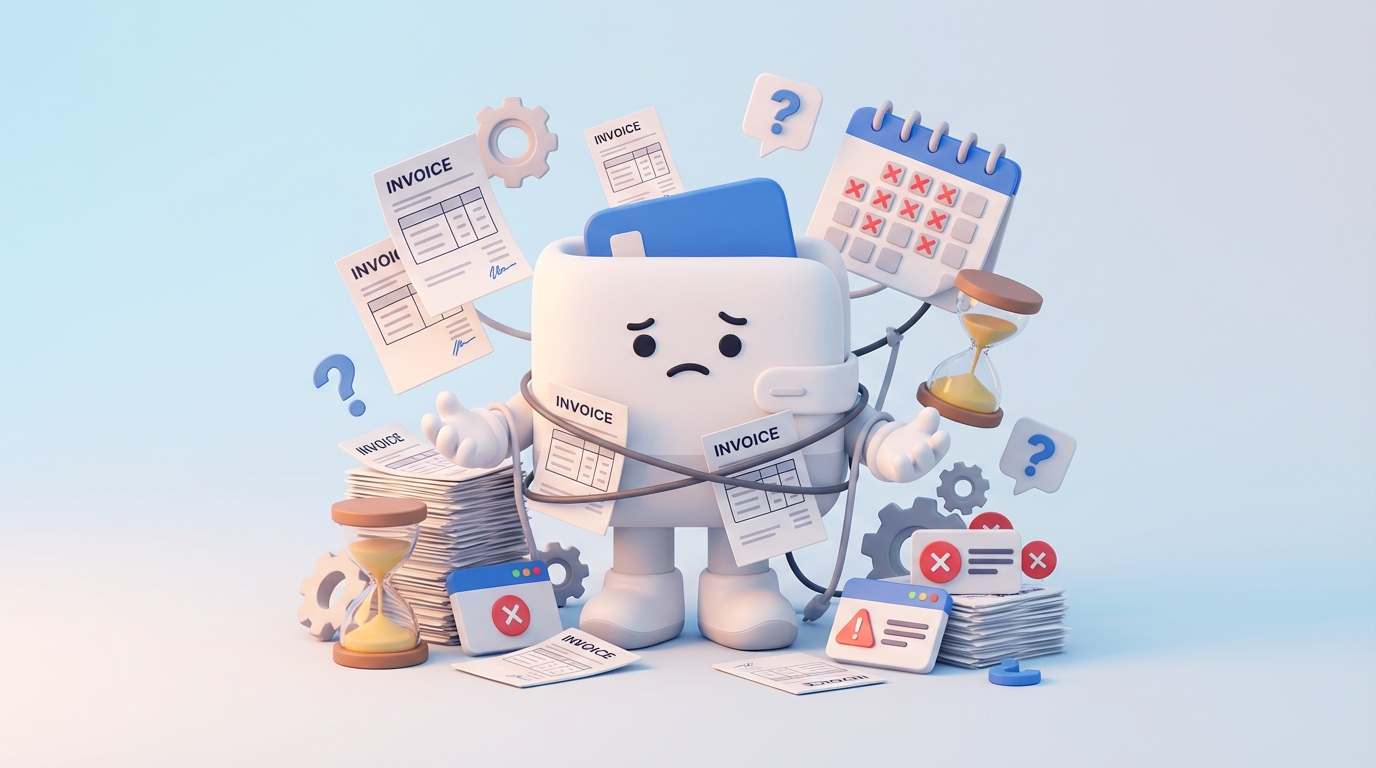
The inherent complexities of recurring payments naturally give rise to significant challenges when managed manually. These challenges are not isolated incidents but rather interconnected issues that compound over time, forming a web of operational inefficiencies and financial vulnerabilities. Businesses attempting to scale with manual processes will quickly find themselves overwhelmed, unable to keep pace with demand or maintain profitability.
At its core, manual recurring payment management is a colossal drain on time and human resources. Every single transaction, every customer update, every billing adjustment, and every failed payment requires direct human intervention. Imagine a growing business with hundreds or thousands of subscribers. Each month, someone must manually generate invoices, charge cards, process ACH payments, send reminders, and then meticulously record each outcome. This isn't just about initial billing; it includes managing upgrades, downgrades, cancellations, prorations, and refunds. The sheer volume of repetitive, administrative tasks prevents employees from focusing on more strategic, value-adding activities like customer service, product development, or marketing. This bottleneck creates a significant opportunity cost, as skilled employees are tied up in mundane data entry and reconciliation.
Where there is manual data entry and processing, there is an inevitable risk of human error. Typos in credit card numbers, incorrect billing dates, misapplied discounts, double-billing, or failure to charge altogether are common occurrences. These errors can range from minor annoyances to significant financial discrepancies. An incorrect invoice amount, for example, can lead to customer disputes, chargebacks, or lost revenue. Miskeyed payment information can result in failed transactions, requiring follow-up and re-processing, adding to the administrative burden. Over time, these small errors accumulate, creating a tangled mess of inaccurate data that is incredibly difficult to untangle, leading to unreliable financial reporting and poor decision-making.
Manual processes are inherently unscalable. What might be manageable for 50 customers becomes a nightmare for 500, and utterly impossible for 5,000 or 50,000. As a business grows its customer base, the volume of recurring transactions, billing events, and customer inquiries grows proportionally. Hiring more staff to manage an increasingly complex manual system is a temporary and unsustainable fix. It doesn't address the root cause of inefficiency and simply multiplies the potential for error and overhead. Manual systems become a severe bottleneck, preventing rapid expansion and stifling the ability to onboard new customers efficiently. Businesses find themselves spending more time managing payments than growing their core offering, effectively hitting an invisible ceiling on their growth potential.
Handling payment data manually introduces significant compliance and security risks. Businesses processing credit card information are subject to strict Payment Card Industry Data Security Standard (PCI DSS) requirements. Storing card numbers on spreadsheets or unsecured databases, or transmitting them via insecure channels, can lead to severe penalties, fines, and reputational damage in the event of a data breach. Similarly, global data privacy regulations like GDPR (General Data Protection Regulation) and CCPA (California Consumer Privacy Act) mandate strict rules for how personal data, including billing information, is collected, stored, and processed. Manual systems often lack the built-in security protocols, audit trails, and data encryption necessary to meet these stringent requirements, leaving businesses exposed to legal and financial repercussions. The liability and risk associated with non-compliance can be catastrophic.
Nothing sours a customer relationship faster than billing errors or a clunky payment experience. Manual recurring payment processes are rife with opportunities for frustration. Customers might be overcharged, undercharged, or charged at the wrong time. They might receive confusing invoices or struggle to update their payment information if there's no self-service portal. Failed payments due to manual errors or lack of timely dunning can lead to service interruptions, which in turn leads to angry customers and increased churn. A poor billing experience signals unprofessionalism and lack of attention to detail, eroding trust and making customers question the reliability of the entire service. In today's competitive landscape, customer experience is paramount, and a manual billing system is a direct threat to retention.
Dunning, the process of recovering failed recurring payments, is critical for reducing involuntary churn. Manual dunning is notoriously inefficient. If a credit card payment fails, a manual system requires someone to identify the failure, determine the reason (e.g., expired card, insufficient funds), and then manually contact the customer, often through generic emails or phone calls. Tracking these outreach efforts, logging responses, and attempting re-charges becomes a chaotic, time-consuming endeavor. The delays inherent in manual dunning mean more revenue is lost, and the likelihood of successful recovery decreases significantly with each passing day. Without a sophisticated, automated dunning strategy, businesses effectively leave money on the table, allowing easily preventable churn to erode their recurring revenue base.
Manual management often leads to fragmented data. Payment records might be in one spreadsheet, customer data in another, and accounting entries in yet another. Reconciling these disparate sources at the end of the month or quarter becomes a Herculean task, often requiring days of painstaking effort to match transactions, identify discrepancies, and balance accounts. This process is highly prone to error and can lead to unreliable financial reports. Inaccurate revenue figures, incorrect churn rates, and misleading cash flow projections make it impossible for management to make informed strategic decisions. Furthermore, external audits become significantly more complex and costly when financial data lacks integrity and a clear audit trail.
Modern businesses rely on interconnected systems for efficiency. Accounting software, Customer Relationship Management (CRM) tools, and analytics platforms all need accurate and timely data from the billing system. Manual recurring payment processes typically operate in isolation, creating data silos. This necessitates manual data transfer – often via CSV exports and imports – which is time-consuming, prone to errors, and results in outdated information in integrated systems. For example, a sales team might not have real-time visibility into a customer's payment status, leading to awkward conversations or missed upsell opportunities. Marketing efforts might be misdirected if churn data isn't accurately reflected in the CRM. The lack of seamless integration hinders holistic business operations and prevents a unified view of the customer and financial health.

Beyond the obvious operational inefficiencies, managing recurring payments manually introduces a range of hidden costs that often go unnoticed until they significantly impact a business's bottom line. These costs are not just direct financial outlays but also encompass lost opportunities and potential liabilities that can undermine long-term sustainability.
The most immediate hidden cost is the cumulative expense of human labor. While an automated system might seem like an upfront investment, manual processes require dedicated staff to manage billing cycles, process payments, handle customer inquiries related to billing, perform dunning, and reconcile accounts. As the customer base grows, so does the need for more personnel to handle these repetitive tasks. These labor costs include salaries, benefits, training, and the overhead associated with managing employees. Beyond direct labor, there are also costs related to potential overtime, increased burnout, and reduced productivity as employees grapple with tedious, error-prone tasks. This diverts skilled talent from strategic roles, effectively turning valuable employees into data entry clerks.
One of the most significant yet often underestimated costs is the revenue lost due to inefficient dunning and high involuntary churn. When payments fail, and there isn't a robust, automated system to promptly retry charges, update card details, and communicate with customers, a significant portion of that revenue is simply forfeited. Each failed payment that isn't recovered represents lost income. Moreover, a poor billing experience or service interruption due to a failed payment can lead to voluntary churn, where customers decide to cancel their subscription. The cumulative effect of these losses, month after month, can amount to a substantial erosion of recurring revenue, directly impacting profitability and growth potential. The cost of acquiring a new customer far outweighs the cost of retaining an existing one, making churn reduction paramount.
The financial consequences of non-compliance with regulations like PCI DSS, GDPR, and other regional data protection laws can be severe. If a business handling credit card data manually experiences a breach due to inadequate security measures, it can face hefty fines from payment card brands, acquiring banks, and regulatory bodies. These fines can range from thousands to millions of dollars, depending on the scale of the breach and the jurisdiction. Beyond direct financial penalties, there are also costs associated with mandatory breach notification, credit monitoring services for affected customers, legal fees, and forensic investigations. The damage to brand reputation and customer trust, while harder to quantify, can have long-lasting negative impacts on future revenue and customer acquisition.
Perhaps the most insidious hidden cost is the opportunity cost. Every hour spent by employees on manual billing tasks is an hour not spent on activities that directly contribute to innovation, growth, and customer satisfaction. This means less time for product development, marketing campaigns, improving customer service, strategic planning, or exploring new market opportunities. When resources are perpetually tied up in administrative overhead, the business's ability to innovate and compete effectively is severely hampered. It slows down time-to-market for new features, delays critical strategic initiatives, and ultimately limits the potential for sustainable, long-term growth and market leadership. The true cost is not just the salaries paid, but the revenue and competitive advantage that could have been gained had those resources been deployed more strategically.
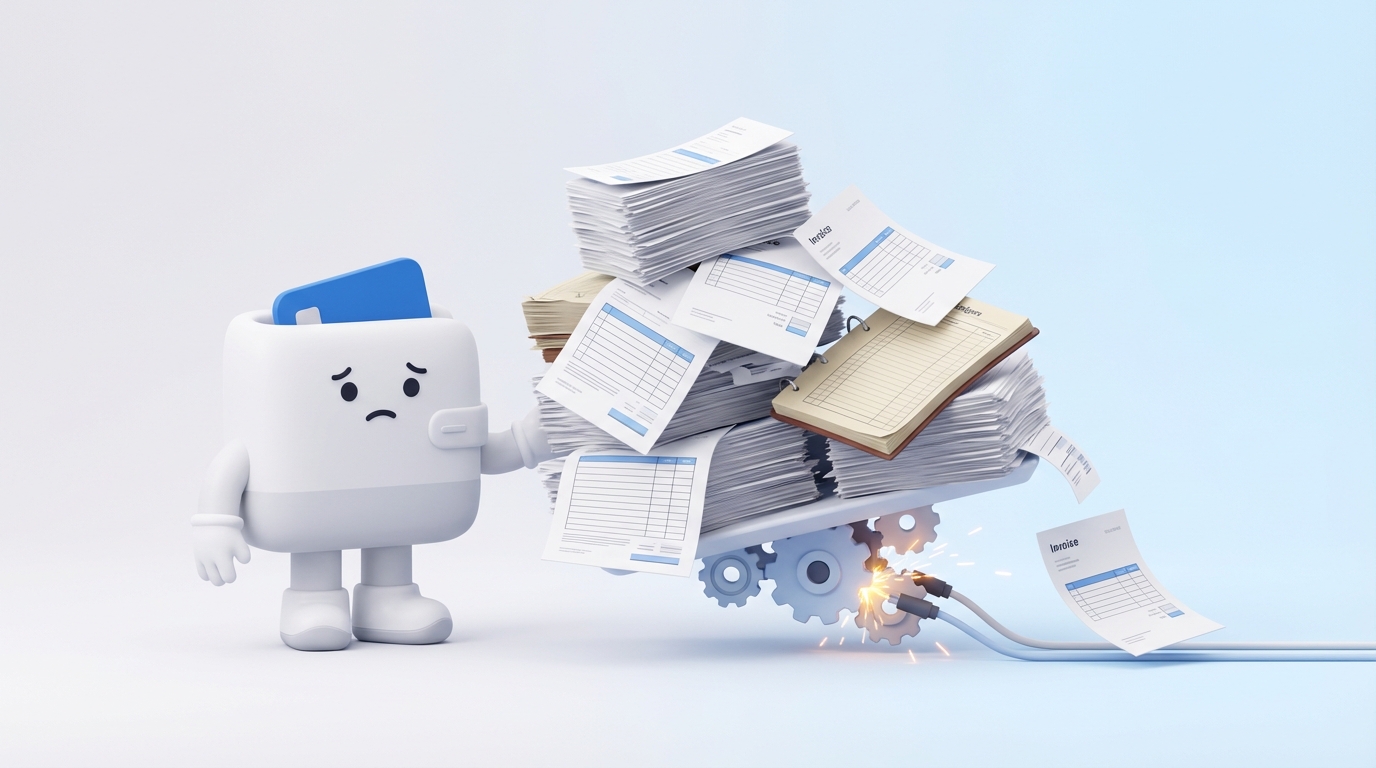
While some very small businesses might initially get by with manual recurring payment management, there comes a tipping point where the system inevitably breaks down. Recognizing these triggers is crucial for businesses to proactively transition to automated solutions before the challenges become insurmountable and detrimental to their operations and financial health.
The most obvious trigger for manual systems breaking down is a rapidly expanding customer base and the corresponding increase in transaction volume. What is manageable for a handful of clients quickly becomes chaotic for hundreds, and downright impossible for thousands. Each new customer adds to the monthly processing burden, the number of potential payment failures, and the volume of customer inquiries related to billing. As transaction volume scales, the time required for manual tasks grows exponentially, leading to bottlenecks, delays, and a significant increase in errors. Businesses will find their billing team overwhelmed, unable to keep up, leading to delayed payments, service interruptions, and ultimately, customer churn. This is the point where the cost of manual labor begins to far outweigh the cost of an automated solution.
As businesses mature, they often diversify their product offerings and introduce more sophisticated pricing models to cater to different market segments. This could involve adding new subscription tiers, offering add-ons, implementing usage-based billing, or introducing promotional discounts and bundles. Each new pricing structure or product variation exponentially increases the complexity of manual billing. Managing prorations for upgrades/downgrades across multiple tiers, applying specific discounts, or accurately calculating usage-based charges for hundreds of customers becomes a monumental task. The risk of errors skyrockets, and the reconciliation process becomes a nightmare. A manual system simply cannot handle the intricate logic and dynamic adjustments required by a diverse product portfolio, leading to missed revenue and customer confusion.
As a business grows and processes more transactions, it naturally attracts greater scrutiny from regulatory bodies and becomes a more attractive target for cybercriminals. The demands for robust data security and compliance with industry standards like PCI DSS and privacy laws such as GDPR become more stringent. A small startup with limited customer data might fly under the radar, but a growing company with thousands of customer payment records cannot afford to disregard these regulations. Manual systems inherently struggle to provide the necessary security, audit trails, and compliance guarantees. Attempting to meet these demands manually would require an extraordinary investment in resources, policies, and continuous oversight, which is often impractical and ineffective. The potential legal and financial ramifications of non-compliance, including heavy fines and reputational damage, become too great to ignore, making automation a necessity for risk mitigation.
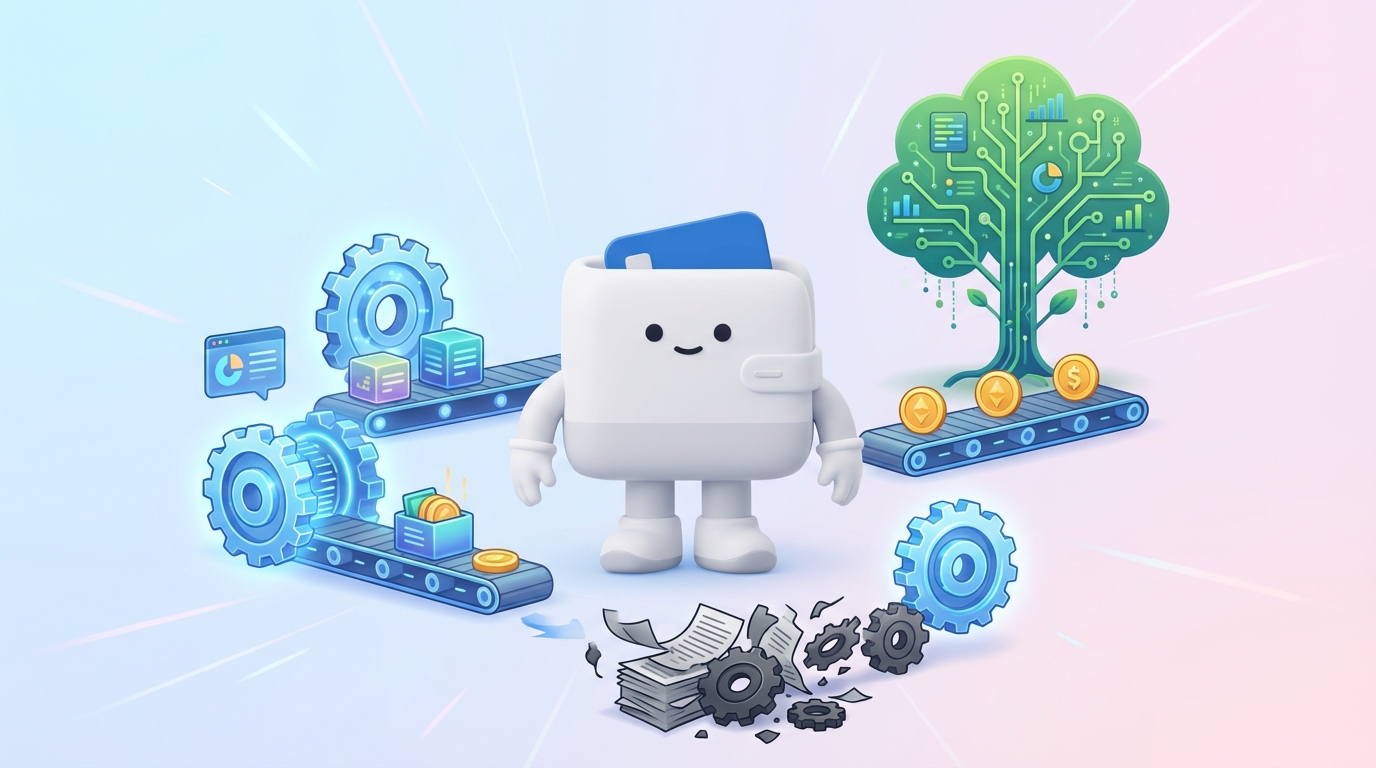
While this article has focused on the perils of manual recurring payment management, it's clear that the path to sustainable growth and operational efficiency lies in automation. Automated recurring billing platforms are specifically designed to address the complexities and pitfalls discussed, transforming a chaotic process into a streamlined, reliable, and scalable operation. By leveraging technology, businesses can overcome the challenges of manual management and unlock significant benefits across their entire organization.
Automation fundamentally streamlines the entire billing lifecycle. From automated invoice generation and payment processing to subscription management, prorations, and renewals, tasks that once consumed countless hours of manual labor are executed instantly and accurately by the system. This frees up valuable human resources, allowing employees to focus on strategic initiatives like customer engagement, product development, and business growth, rather than repetitive administrative work. The operational efficiency gained is immense, reducing overheads and accelerating the billing cycle.
Automated systems virtually eliminate the risk of human error. Calculations are precise, billing cycles are consistently applied, and customer data is managed with accuracy. This leads to correct invoicing, fewer customer disputes, and a significant reduction in chargebacks. Enhanced accuracy ensures that businesses capture all due revenue, maintain reliable financial records, and build trust with their customer base through consistent and correct billing practices.
One of the most powerful benefits of automation is its ability to optimize cash flow and dramatically reduce involuntary churn. Automated dunning features proactively manage failed payments by retrying cards at optimal times, sending personalized notifications, and providing self-service options for customers to update their payment information. This significantly increases the recovery rate of delinquent payments, directly impacting the bottom line. Furthermore, a smooth and error-free billing experience contributes positively to customer satisfaction, which in turn helps reduce voluntary churn.
Automated recurring payment solutions are built with compliance and security as core tenets. They provide PCI DSS compliance by securely encrypting and storing sensitive payment data, often offloading much of the compliance burden from the business. They also incorporate features necessary for GDPR and other privacy regulations, such as secure data handling and audit trails. By centralizing payment processing through a secure, compliant platform, businesses significantly mitigate their risk of data breaches, fines, and reputational damage, allowing them to focus on growth with peace of mind.
The allure of managing recurring payments manually might seem appealing for nascent businesses seeking to minimize initial overheads. However, as this exploration has revealed, this approach is a recipe for disaster, riddled with inherent complexities, operational pitfalls, and significant hidden costs. From the intricate demands of diverse subscription models and variable billing cycles to the pervasive risk of human error, scalability limitations, and severe compliance vulnerabilities, manual processes invariably lead to inefficiency, lost revenue, and a compromised customer experience. The moment a business begins to grow its customer base, diversify its offerings, or face increased regulatory scrutiny, the cracks in a manual system will inevitably widen, threatening its very foundation. Automation is not merely a convenience; it is the only sustainable, secure, and scalable solution for managing recurring payments, transforming a potential operational nightmare into a robust engine for consistent revenue, improved customer satisfaction, and long-term business success.
Written by
Founder & CEO
Sharing knowledge on personal finance, budget management, and investment strategies to help you achieve financial freedom.