
13 min read
'%3e%3cg%20clip-path='url(%23b6dc094121)'%3e%3cpath%20fill='%230066cc'%20d='M%2012.707031%205.710938%20L%2012.707031%2035.761719%20L%2037.007812%2035.761719%20L%2037.007812%205.710938%20Z%20M%2012.707031%205.710938%20'%20fill-opacity='1'%20fill-rule='nonzero'/%3e%3c/g%3e%3c/g%3e%3cg%20clip-path='url(%23cd2e57bbdf)'%3e%3cg%20clip-path='url(%23cc31bb2a50)'%3e%3cpath%20fill='%230066cc'%20d='M%2026.734375%201.035156%20L%2026.734375%2035.761719%20L%2036.882812%2035.761719%20L%2036.882812%201.035156%20Z%20M%2026.734375%201.035156%20'%20fill-opacity='1'%20fill-rule='nonzero'/%3e%3c/g%3e%3c/g%3e%3cg%20clip-path='url(%23ab469c456a)'%3e%3cg%20clip-path='url(%23fb318aa8dc)'%3e%3cpath%20fill='%230066cc'%20d='M%200.0546875%201.035156%20L%200.0546875%2035.761719%20L%2010.203125%2035.761719%20L%2010.203125%201.035156%20Z%20M%200.0546875%201.035156%20'%20fill-opacity='1'%20fill-rule='nonzero'/%3e%3c/g%3e%3c/g%3e%3cg%20clip-path='url(%238fe1ac7b9f)'%3e%3cg%20clip-path='url(%23f68e7172d0)'%3e%3cpath%20fill='%230066cc'%20d='M%200%205.710938%20L%200%2035.761719%20L%2024.269531%2035.761719%20L%2024.269531%205.710938%20Z%20M%200%205.710938%20'%20fill-opacity='1'%20fill-rule='nonzero'/%3e%3c/g%3e%3c/g%3e%3c/svg%3e)
Recurring payments offer unparalleled convenience, but they're also a common source of financial headaches and unexpected costs. Many people fall into traps they don't even realize exist, from forgotten subscriptions to hidden fees. It's time to uncover the critical mistakes most make and equip you

Yağız Gürbüz
Founder & CEO

🎧 En iyi deneyim için kulaklık kullanmanızı öneririz
Recurring payments offer unparalleled convenience, but they're also a common source of financial headaches and unexpected costs. Many people fall into traps they don't even realize exist, from forgotten subscriptions to hidden fees. It's time to uncover the critical mistakes most make and equip you with the knowledge to take back control of your finances.
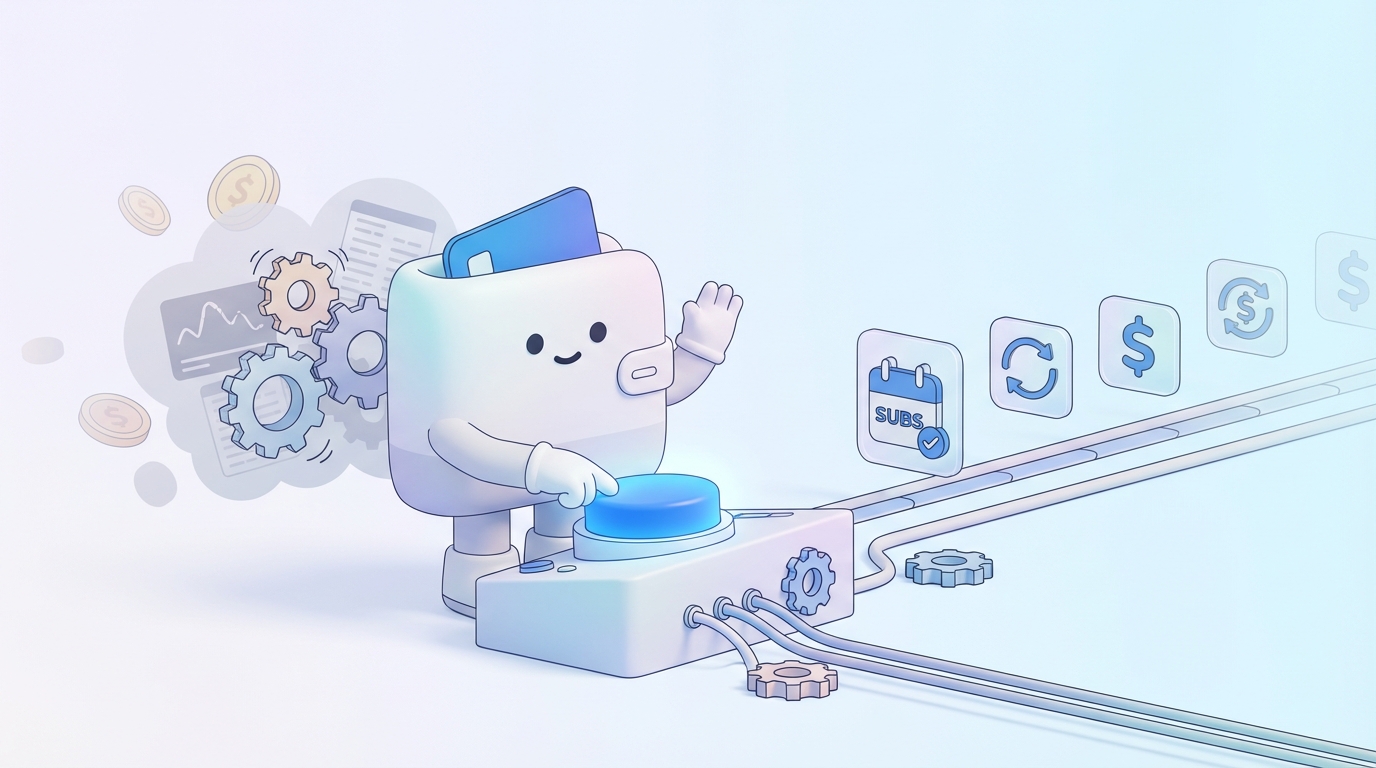
The primary appeal of recurring payments lies in their simplicity: sign up once, and enjoy continuous service without manual intervention. This "set it and forget it" mentality, while convenient, is precisely where most people go wrong. The ease of automatic deductions often leads to a dangerous level of complacency, making individuals less vigilant about what they're truly paying for and how those costs evolve over time. This hands-off approach can silently erode your financial stability, turning a helpful feature into a significant drain on your budget.
The convenience factor, while undeniable, often lulls consumers into a false sense of security. They trust that the initial agreement will remain constant and that services will always be used and valued. However, the dynamic nature of subscriptions, coupled with human forgetfulness, means this trust is frequently misplaced. What starts as a small, justifiable expense can quickly become an unchecked financial obligation, growing in size and number without active oversight. Breaking free from this illusion requires a shift from passive acceptance to proactive management.
When signing up for a new service, few people diligently read through the lengthy terms and conditions or the fine print. This oversight is a critical mistake. These documents often contain crucial details about automatic renewals, price adjustment clauses, cancellation policies, and refund stipulations. By skipping them, consumers inadvertently agree to conditions that can lead to unexpected charges, difficulty canceling, or automatic upgrades they never intended. The small text is where companies often embed the mechanisms for future price changes or automatic roll-overs from trial periods to paid subscriptions, leaving customers vulnerable to surprises.
Another major pitfall is the accumulation of "ghost" subscriptions – services that are still active and billing monthly but are rarely, if ever, used. This could be a streaming service you signed up for to watch one show, a fitness app you used for a month, or a software trial that automatically converted to a paid plan. These dormant subscriptions continue to drain funds from your account unnoticed because of the "set it and forget it" mindset. Over time, these forgotten charges can add up to hundreds or even thousands of dollars annually, representing pure financial waste that could otherwise be saved or invested.
Individually, many recurring payments seem insignificant: $5 for an app, $10 for a magazine, $15 for a cloud storage plan. Because these amounts are relatively small, people tend to dismiss their impact. However, the cumulative cost of these small payments can be staggering. A few seemingly minor subscriptions can easily add up to $50, $100, or even $200+ per month. This "subscription creep" can significantly impact personal budgets, making it harder to meet larger financial goals like saving for a down payment, paying off debt, or building an emergency fund. What seems like a negligible expense becomes a substantial ongoing outlay that can derail financial planning.

Beyond the initial agreed-upon price, recurring payment models are frequently fraught with hidden fees and unexpected charges that can inflate the total cost significantly. These additional costs often go unnoticed by consumers who assume their monthly bill will remain static. Businesses, both intentionally and unintentionally, structure their billing to include various mechanisms that can lead to higher charges, making it imperative for consumers to understand where these extra costs might originate and how they can impact their budget.
The complexity of modern billing systems and the sheer volume of recurring services an individual might have make it challenging to keep track of every potential fee. These unexpected charges can arise from a multitude of scenarios, from changes in market conditions to simple administrative oversights. Being aware of these common pitfalls is the first step toward safeguarding your finances from unwelcome surprises.
Many recurring services are not locked into a fixed price indefinitely. Companies often include clauses in their terms and conditions that allow them to adjust pricing after a certain period or based on changes in market conditions, service features, or inflation. Consumers might initially sign up for an attractive introductory rate, only to find their monthly payment substantially increased after the promotional period ends. Furthermore, some services have variable pricing structures based on usage (e.g., data storage, premium features), which can lead to fluctuating bills that are difficult to predict or budget for. These price hikes, often communicated via email that goes unread, are a common source of unexpected financial strain.
A common scenario leading to unexpected charges is a failed payment. This can occur if a credit card expires, is replaced, or has insufficient funds. When a recurring payment fails, many service providers levy late payment penalties. Beyond penalties, if a service is suspended due to non-payment, there might be re-activation fees required to restore access. These fees can sometimes be substantial, adding insult to injury to an already missed payment. Consumers often overlook updating their payment information, leading to a cascade of fees and service interruptions that could have been easily avoided with proactive management.
For services purchased from international vendors, consumers often encounter additional costs related to currency conversion and international transaction fees. If your bank or credit card charges a foreign transaction fee (typically 1-3% of the transaction amount), these small percentages can add up significantly over time, especially for multiple recurring payments. Furthermore, the exchange rate used by your bank might not always be the most favorable, leading to slightly higher costs than anticipated. These fees are often subtle and embedded within the transaction, making them difficult for consumers to identify and account for in their budgeting.
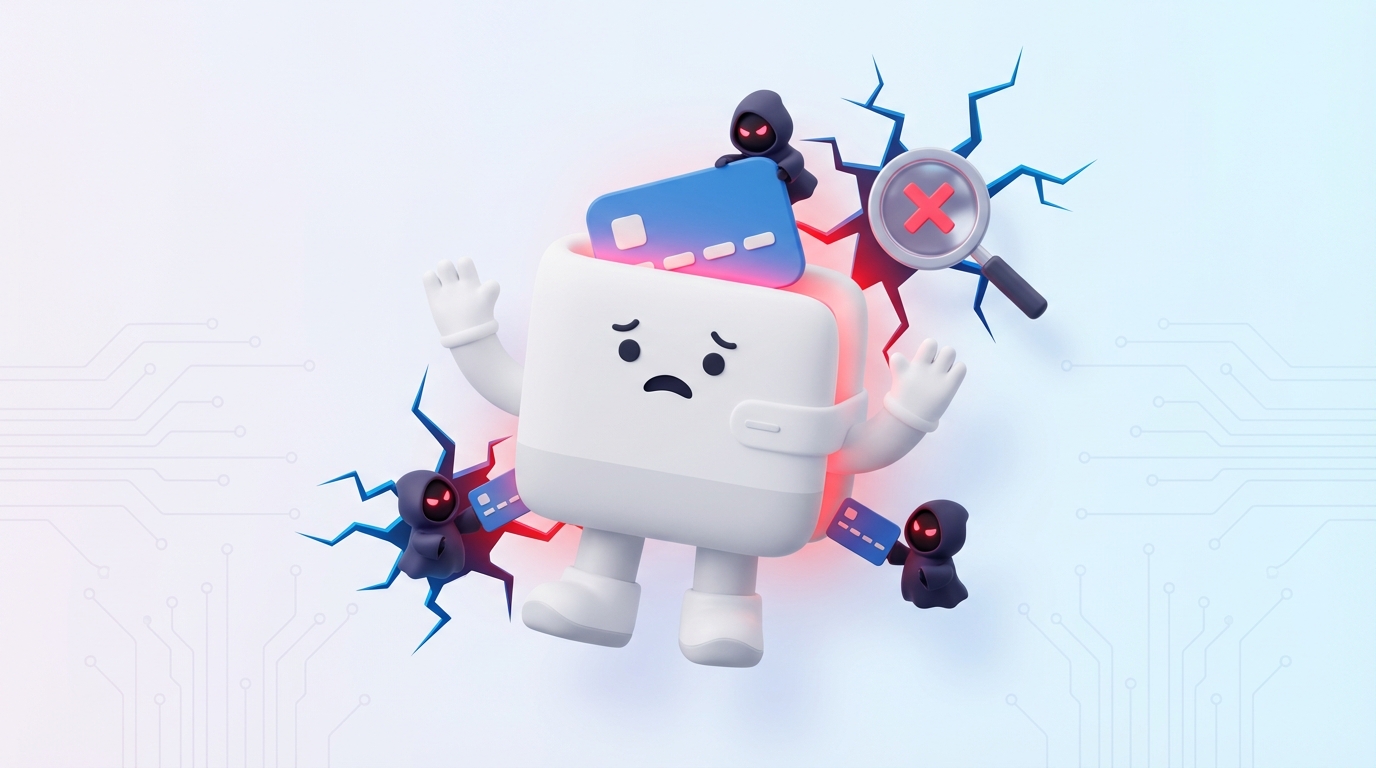
While the convenience of recurring payments is undeniable, it comes with inherent security risks that many consumers overlook. Storing payment information with numerous vendors creates multiple points of vulnerability, making individuals susceptible to data breaches, phishing scams, and unauthorized charges. In an increasingly digital world, understanding these risks and taking proactive measures to mitigate them is crucial for protecting your financial well-being and personal data.
The proliferation of online services and the ease with which payment details can be stored contribute to a landscape where financial information is constantly at risk. Fraudsters are always finding new ways to exploit these systems, making it essential for consumers to be vigilant and informed about the potential threats associated with their recurring payment arrangements.
Every time you authorize a vendor to store your credit card or bank account details for recurring payments, you're essentially entrusting them with sensitive financial information. If any of these vendors experience a data breach, your payment details could be exposed to cybercriminals. The more services you subscribe to, the greater the number of entities holding your data, and thus, the higher your overall risk. Even reputable companies can fall victim to sophisticated attacks, underscoring the importance of minimizing where your information is stored and being prepared for potential breaches.
The popularity of subscription services has made them a prime target for phishing scams. Fraudsters often send convincing fake emails or text messages pretending to be from legitimate service providers (e.g., Netflix, Amazon, Spotify), claiming there's an issue with your payment, an account suspension, or an offer for a special discount. These messages typically direct users to fraudulent websites designed to steal login credentials or payment information. Unsuspecting individuals, worried about losing access to a beloved service, might unwittingly provide their details, leading to account takeover or direct financial fraud.
Even without direct fraud, recurring payment systems are not immune to errors. Consumers might discover unauthorized charges on their statements due to a mix-up in billing, accidental double-billing, or a service continuing to charge even after cancellation. Sometimes, these are genuine mistakes by the service provider, but they can be incredibly frustrating and time-consuming to resolve. Regularly reviewing bank and credit card statements is essential to catch these discrepancies early, as delays in reporting can complicate the dispute process and make it harder to reclaim funds.
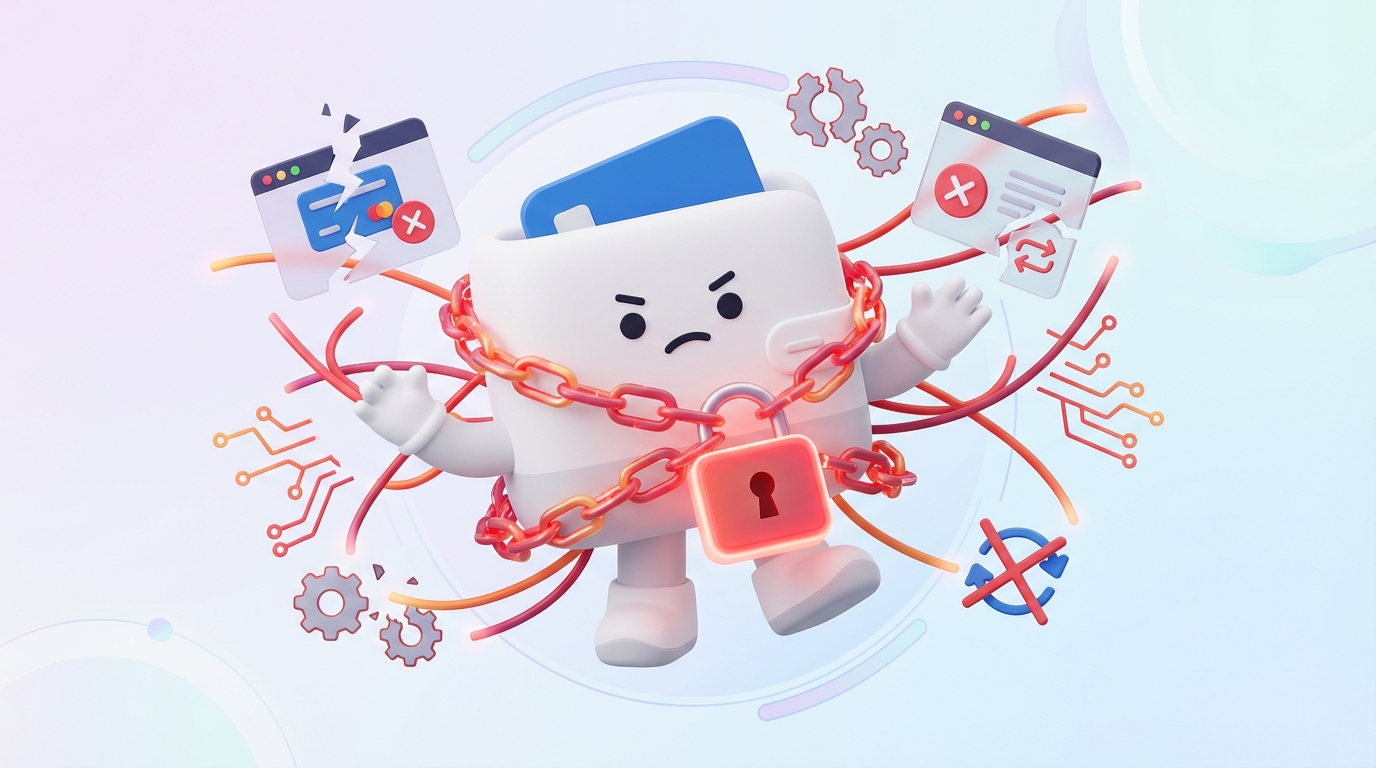
One of the most frustrating aspects of recurring payments for many consumers is the difficulty encountered when trying to cancel a service or dispute an erroneous charge. What often begins as a seamless signup process can transform into an arduous and time-consuming battle to stop unwanted deductions from one's account. This deliberate complexity in cancellation procedures is a common tactic used by businesses to reduce churn and retain subscribers, even those who no longer wish to use the service.
The "dark patterns" employed in some cancellation flows can leave consumers feeling trapped and powerless. Understanding these tactics and knowing the correct steps to take is vital for efficiently disengaging from unwanted subscriptions and resolving billing issues without excessive stress or financial loss.
Many companies intentionally make their cancellation processes difficult, complex, or opaque. Instead of a simple "cancel subscription" button easily accessible within the user account, consumers might be directed through multiple screens, asked to call a customer service line (often with long wait times), or even required to send a written letter. Some services hide the cancellation option deep within menus or use confusing language to deter users. This intentional friction is designed to make users give up or forget, ensuring continuous billing even when the desire to cancel is clear. This practice not only wastes consumer time but can also lead to further unwanted charges.
Once a recurring payment has been made for an unwanted or unused service, obtaining a refund can be another significant challenge. Many companies have strict "no refund" policies or only offer partial refunds under very specific circumstances. Even when a refund is theoretically possible, the process can involve extensive correspondence, providing detailed justifications, and waiting prolonged periods for a resolution. This difficulty is exacerbated if the subscription was forgotten for several months, as companies are less likely to issue refunds for services consumed over a long period, regardless of whether they were actively used.
When an unauthorized or erroneous charge appears on a statement, disputing it can be a multi-step process. First, consumers are usually advised to contact the merchant directly to resolve the issue. If that fails or if the merchant is unresponsive, the next step involves contacting your bank or credit card company to initiate a chargeback. This process requires providing evidence, explaining the situation, and can take weeks or even months to resolve. While chargebacks offer a layer of protection, they are not always guaranteed and can be a significant administrative burden, highlighting the importance of prevention through regular account monitoring.
The cumulative effect of poorly managed recurring payments extends far beyond minor inconveniences; it can have a profound and detrimental impact on personal finances and overall budgeting. What might seem like small, manageable expenses in isolation can, when aggregated, create significant financial strain, leading to budget overruns, debt accumulation, and the unfortunate derailment of long-term financial goals. Many people underestimate the silent power of these consistent deductions to reshape their financial landscape.
A lack of vigilance over recurring payments can turn a carefully crafted budget into a leaky bucket, with funds steadily seeping out without a clear understanding of where they are going. This erosion of financial control can lead to stress, missed opportunities, and a constant feeling of playing catch-up with one's money.
The most immediate impact of uncontrolled recurring payments is the potential for budget overruns. When the total sum of subscriptions and automatic bills exceeds what has been allocated, it creates a deficit that must be covered by other budget categories. This often means cutting back on discretionary spending, delaying savings, or, in worse cases, relying on credit. This constant financial strain can lead to significant stress, making it difficult to maintain a healthy financial outlook and plan effectively for future expenses.
When budget overruns become a regular occurrence due to unchecked recurring payments, many individuals resort to using credit cards to cover the shortfall. This can quickly lead to accumulating credit card debt, which carries high interest rates. What started as small, seemingly innocuous monthly subscriptions can, through a chain reaction, contribute significantly to a growing debt problem. The cycle of paying for unused services with borrowed money is a financially destructive path that can take years to recover from.
Every dollar spent on an unnecessary or forgotten recurring payment is a dollar that could have been saved, invested, or used to pay down high-interest debt. Over time, this "leaky spending" can severely impede progress towards important financial goals, such as building an emergency fund, saving for a down payment on a house, funding retirement accounts, or paying for education. The cumulative effect of small, unchecked outflows can prevent individuals from reaching their long-term aspirations, forcing them to delay or even abandon significant life milestones due to a lack of available funds.
A significant challenge in managing recurring payments stems from the decentralized nature of modern consumption. In today's digital landscape, individuals often subscribe to a myriad of services across various platforms, each with its own billing cycle, payment method, and management portal. This fragmentation creates a profound lack of centralized management and oversight, making it incredibly difficult to gain a holistic view of one's total recurring expenditures. This disorganization is a key reason why so many people struggle with the issues outlined above.
Without a single point of reference or a comprehensive tracking system, consumers are left to piece together their financial obligations from numerous sources, a task that is often neglected due to its perceived complexity and time consumption. This leads to inefficient financial management and missed opportunities for optimization.
Consider the average consumer: they might have streaming services (Netflix, Hulu, Disney+), productivity tools (Microsoft 365, Adobe Creative Cloud), fitness apps, music subscriptions (Spotify, Apple Music), cloud storage, online news, VPNs, and numerous other digital services. Each of these subscriptions is typically managed on its own platform, requiring separate logins, password, and payment details. This scattering makes it nearly impossible to quickly ascertain all active subscriptions at a glance, leading to forgotten services and continuous billing for items no longer needed or desired.
Because subscriptions are fragmented across various vendors and often charged to different credit cards or bank accounts, most people lack a clear, consolidated overview of their total recurring spending. They might know roughly what their major bills are, but the aggregation of all small, medium, and large recurring charges is rarely calculated. This absence of a single, comprehensive figure makes effective budgeting incredibly challenging. Without understanding the full scope of recurring outflows, it's impossible to accurately assess financial health, identify redundancies, or make informed decisions about where to cut back.
The lack of centralized management also complicates the process of regularly auditing and tracking payments. Manually sifting through bank statements and credit card bills, trying to identify and categorize every recurring charge, is a tedious and time-consuming task. This difficulty often leads to skipped audits, allowing dormant subscriptions and unnoticed price hikes to persist. Effective financial management requires easy access to accurate, up-to-date information, which is precisely what the current decentralized system of recurring payments fails to provide for most consumers.
Taking control of your recurring payments doesn't have to be an overwhelming task. By implementing a few best practices, you can move from a state of passive acceptance to proactive management, saving money, enhancing security, and gaining a clearer picture of your financial outflows. The key is to establish routines and utilize available tools that simplify the oversight process, turning potential financial pitfalls into manageable elements of your budget.
Adopting these strategies will not only help you identify and eliminate unnecessary spending but also empower you to make more informed decisions about your ongoing subscriptions, ensuring that every recurring dollar spent provides genuine value.
Make it a habit to regularly review all your subscriptions and recurring charges. A quarterly or bi-annual audit is ideal. Go through your bank statements and credit card bills line by line, identifying every recurring payment. For each one, ask yourself: "Do I still use this service?", "Is it providing enough value to justify its cost?", and "Are there cheaper alternatives?". Be ruthless in cutting out unused or underutilized services. This proactive approach is the most effective way to eliminate "ghost" subscriptions and ensure you're only paying for what you truly need and use.
Leverage technology to your advantage. There are numerous apps and services specifically designed to help you track and manage your subscriptions. Apps like Truebill, Mint, Rocket Money (formerly Truebill), or even features within your banking app can automatically identify recurring charges, categorize them, and often even help you cancel unwanted subscriptions directly from the platform. These tools provide a centralized overview, solving the problem of scattered subscriptions and giving you a clear picture of your total recurring spending.
Before signing up for any new recurring service, take the time to read the terms and conditions, especially focusing on clauses related to pricing, automatic renewals, and cancellation policies. Pay close attention to introductory offers and understand what the price will be after the promotional period. If a service you've had for a while announces changes to its terms or pricing, make sure to re-read the relevant sections. Knowledge is power, and understanding the fine print can save you from unexpected charges and cancellation headaches down the line.
Many banks and credit card companies offer alerts for transactions above a certain amount, or for recurring payments. Utilize these features to stay informed about deductions from your account. Additionally, set up personal reminders in your calendar for upcoming renewals, especially for annual subscriptions or those with expiring trial periods. This proactive notification system can help you decide whether to continue a service before you're automatically billed, preventing unwanted charges.
For enhanced security and control, consider using virtual credit card numbers for online subscriptions. Many credit card issuers offer this service, allowing you to generate temporary, single-use, or merchant-specific card numbers with adjustable spending limits. This can prevent unauthorized charges if a merchant's database is breached. Alternatively, consider using a dedicated credit card with a lower limit solely for subscriptions. This isolates your recurring payments, making it easier to track and limiting potential financial exposure in case of fraud.
Mastering recurring payments is no longer just about convenience; it's a critical component of sound financial management in the digital age. By moving beyond the "set it and forget it" illusion, diligently addressing hidden fees, bolstering security against fraud, streamlining cancellation processes, and gaining centralized oversight, individuals can transform a potential financial drain into a well-managed aspect of their budget. Implementing best practices such as regular audits, utilizing management tools, understanding the fine print, and employing payment alerts provides a robust framework for taking back control. Proactive engagement with your recurring subscriptions not only safeguards your finances from unexpected costs and debt accumulation but also frees up valuable resources to achieve your long-term financial goals, ensuring that every dollar spent aligns with your priorities and delivers genuine value.
Written by
Founder & CEO
Sharing knowledge on personal finance, budget management, and investment strategies to help you achieve financial freedom.