13 min read
'%3e%3cg%20clip-path='url(%23b6dc094121)'%3e%3cpath%20fill='%230066cc'%20d='M%2012.707031%205.710938%20L%2012.707031%2035.761719%20L%2037.007812%2035.761719%20L%2037.007812%205.710938%20Z%20M%2012.707031%205.710938%20'%20fill-opacity='1'%20fill-rule='nonzero'/%3e%3c/g%3e%3c/g%3e%3cg%20clip-path='url(%23cd2e57bbdf)'%3e%3cg%20clip-path='url(%23cc31bb2a50)'%3e%3cpath%20fill='%230066cc'%20d='M%2026.734375%201.035156%20L%2026.734375%2035.761719%20L%2036.882812%2035.761719%20L%2036.882812%201.035156%20Z%20M%2026.734375%201.035156%20'%20fill-opacity='1'%20fill-rule='nonzero'/%3e%3c/g%3e%3c/g%3e%3cg%20clip-path='url(%23ab469c456a)'%3e%3cg%20clip-path='url(%23fb318aa8dc)'%3e%3cpath%20fill='%230066cc'%20d='M%200.0546875%201.035156%20L%200.0546875%2035.761719%20L%2010.203125%2035.761719%20L%2010.203125%201.035156%20Z%20M%200.0546875%201.035156%20'%20fill-opacity='1'%20fill-rule='nonzero'/%3e%3c/g%3e%3c/g%3e%3cg%20clip-path='url(%238fe1ac7b9f)'%3e%3cg%20clip-path='url(%23f68e7172d0)'%3e%3cpath%20fill='%230066cc'%20d='M%200%205.710938%20L%200%2035.761719%20L%2024.269531%2035.761719%20L%2024.269531%205.710938%20Z%20M%200%205.710938%20'%20fill-opacity='1'%20fill-rule='nonzero'/%3e%3c/g%3e%3c/g%3e%3c/svg%3e)
Are you drowning in a sea of monthly subscriptions, unsure of what you're paying for or how much it's truly costing you? In today's 'subscription economy,' it's incredibly easy to lose track of recurring payments across various services. This comprehensive guide will walk you through effective strategies and the best tools to consolidate all your subscriptions into one easy-to-manage dashboard, helping you regain control and save money.

Yağız Gürbüz
Founder & CEO


🎧 En iyi deneyim için kulaklık kullanmanızı öneririz
Are you drowning in a sea of monthly subscriptions, unsure of what you're paying for or how much it's truly costing you? In today's 'subscription economy,' it's incredibly easy to lose track of recurring payments across various services. This comprehensive guide will walk you through effective strategies and the best tools to consolidate all your subscriptions into one easy-to-manage dashboard, helping you regain control and save money.
Tracking your subscriptions might seem like a minor task, but its importance has grown exponentially with the shift in how we consume services and media. What started as a convenient way to access software or entertainment has morphed into a sprawling ecosystem of recurring payments that can quietly erode your financial stability if left unchecked.
The modern world thrives on convenience, and the subscription economy delivers exactly that. From streaming services like Netflix, Hulu, and Spotify to productivity software like Microsoft 365 and Adobe Creative Cloud, meal kit deliveries, fitness apps, cloud storage, and even niche digital newsletters, nearly every aspect of our lives now has a subscription model attached to it. Businesses love this model because it provides predictable recurring revenue, fostering customer loyalty and often offering lower upfront costs. For consumers, it means instant access, flexibility, and often a better user experience without a large initial investment. However, this ease of access also makes it incredibly easy to sign up for multiple services without fully realizing the cumulative financial impact.
With so many options available, consumers often find themselves suffering from 'subscription fatigue.' This phenomenon occurs when the sheer volume of subscriptions becomes overwhelming, leading to confusion about what services are active, when they renew, and how much they collectively cost. It's common for people to sign up for a free trial, forget to cancel, and then continue paying for months or even years for a service they rarely use. This scattershot approach results in wasted money and a feeling of being financially out of control. Many people are genuinely surprised when they finally tally up their recurring expenses, often discovering hundreds of dollars being spent monthly on services they either don't need or have completely forgotten about.
The most immediate and tangible benefit of tracking your subscriptions in a centralized dashboard is the potential for significant financial savings. By having a clear, consolidated view, you can easily identify and cancel unused or underutilized services. This isn't just about cutting out a single $10 streaming service; it's about the cumulative effect of eliminating several small, forgotten payments that can quickly add up to substantial monthly savings. Moreover, centralized tracking enables better budgeting and financial planning. When you know exactly how much you're spending on recurring services, you can allocate funds more effectively, prevent unexpected charges, and avoid overdraft fees. It provides a foundational understanding of your fixed monthly expenses, which is crucial for achieving financial goals, whether it's saving for a down payment, paying off debt, or simply building an emergency fund. Ultimately, it empowers you to make informed decisions about your spending, ensuring your money is allocated to services you truly value and use.

Before you can consolidate your subscriptions into one dashboard, you first need to identify every single one you currently have. This process can be a bit like detective work, as subscriptions often hide in plain sight across various financial accounts and digital platforms. Here are actionable steps to manually uncover all your recurring payments.
This is arguably the most effective starting point. Grab your bank statements and credit card statements for the past 6-12 months. Look for recurring charges. Providers often bill at different times of the month, so reviewing a full year can catch annual subscriptions that might otherwise be missed. Pay close attention to descriptions that might include terms like "monthly fee," "subscription," "premium," or the names of popular services. Even small, unfamiliar charges warrant investigation. Many subscription services don't use their direct brand name on statements; instead, they might use a parent company's name or a payment processor's descriptor. Make a list of every recurring charge you find, noting the amount, frequency, and suspected service.
Your email inbox is a treasure trove of subscription information. Most services send a confirmation email when you sign up, a receipt for each payment, or a reminder before renewal. Use the search function in your email client (Gmail, Outlook, etc.) with various keywords. Try searching for: "subscription," "renewal," "your bill," "receipt," "invoice," "free trial," "cancel subscription," and the names of popular services you might have signed up for (e.g., "Netflix," "Spotify," "Adobe," "Amazon Prime"). Don't forget to check your spam or junk folders, as some legitimate emails might end up there. This method can help you not only identify services but also find direct links to manage or cancel them, as well as confirm pricing and renewal dates.
Many digital subscriptions, especially for mobile apps, are managed directly through your device's app store. If you own an Apple device, navigate to your iPhone/iPad Settings > [Your Name] > Subscriptions. Here, you'll see a list of all active and expired subscriptions linked to your Apple ID. For Android users, open the Google Play Store app, tap your profile icon > Payments & subscriptions > Subscriptions. Both platforms provide a clear overview, renewal dates, and options to manage or cancel subscriptions directly. This is a critical step, as these subscriptions often fly under the radar in bank statements, appearing as a generic "Apple Services" or "Google Play" charge.
If you suspect you have a subscription with a particular service (e.g., a gym membership, a VPN, a cloud storage provider), log in to that service's website directly. Most services have a "Billing," "Account Settings," or "Subscriptions" section where you can view your active plans, payment history, and renewal information. This method is particularly useful for services that might not show up clearly on bank statements or in app stores, such as local memberships or niche online tools.
If you use PayPal, Venmo, or other third-party payment processors for online purchases, these platforms often keep a record of recurring payments. Log into your PayPal account and look for "Automatic Payments" or "Preapproved Payments" under your settings or wallet. This section lists all merchants authorized to automatically charge your PayPal account. Similarly, review transaction histories on any other payment apps you use. These processors act as intermediaries and can provide a consolidated view of services you've linked to them, making it easier to identify and manage those specific subscriptions.
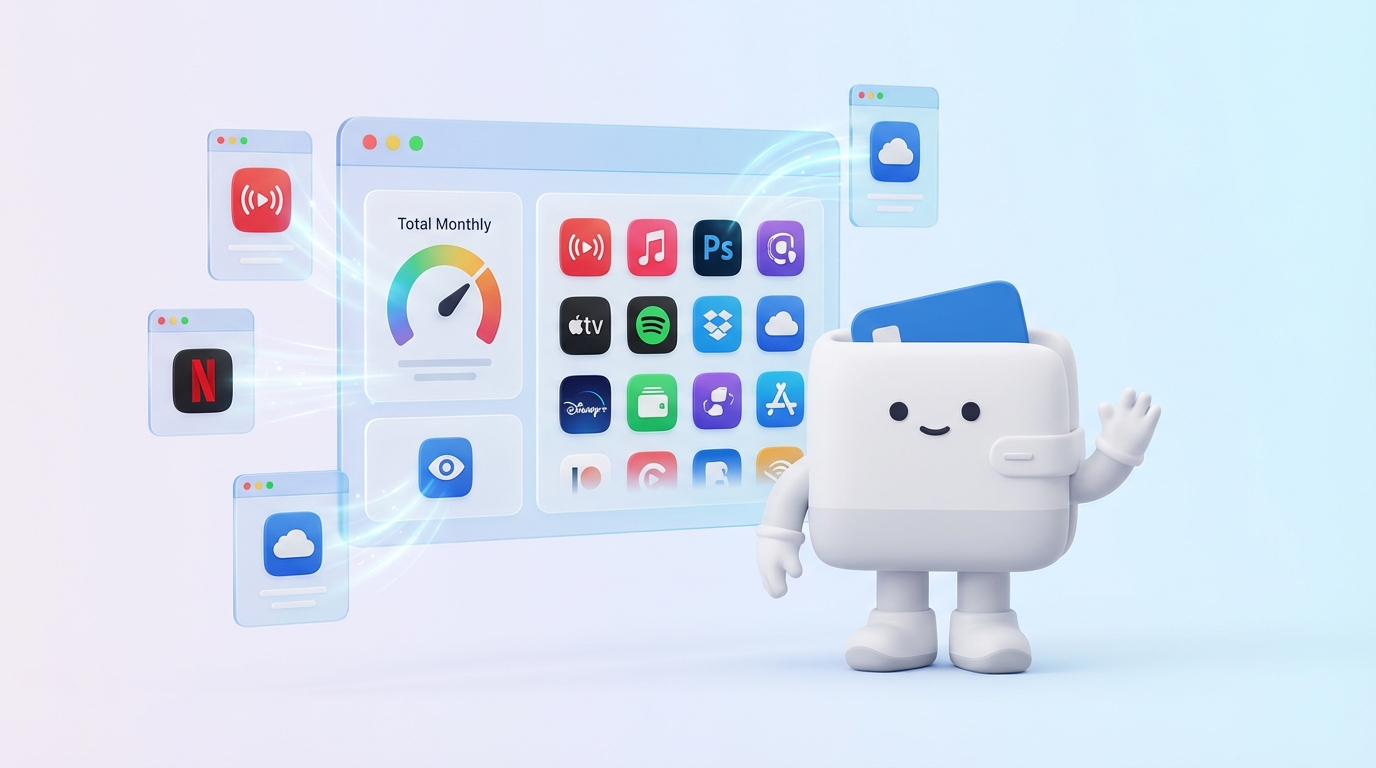
Once you've manually identified your existing subscriptions, the next step is to leverage technology to bring them all into one centralized, manageable dashboard. A variety of tools, from dedicated subscription managers to comprehensive personal finance apps, can help automate this process and provide ongoing oversight.
These apps specialize in tracking and managing your recurring bills. They typically connect to your bank and credit card accounts to automatically detect subscription charges.
Many popular personal finance apps have evolved to include robust subscription tracking capabilities as part of their broader financial management tools.
Many modern banks and credit card companies are integrating subscription tracking directly into their online banking portals or mobile apps. Check your bank's website or app for features like "Spending Insights," "Recurring Payments," or "Subscriptions." These tools can automatically categorize transactions and highlight recurring charges, providing a basic dashboard within your existing financial services.
For those who prefer a low-tech, high-control approach, a simple spreadsheet can be incredibly effective. Create columns for: Service Name, Monthly/Annual Cost, Renewal Date, Payment Method, Account Login/Password Hint, and Notes (e.g., "seldom used," "cancel by X date"). Google Sheets or Excel offer many free templates. This method requires discipline for manual entry and regular updates but offers complete privacy and customization.
When choosing an app, especially those that link to your bank accounts, prioritize security and privacy. Look for apps that use: bank-level encryption (256-bit AES), read-only access (meaning they can see your transactions but can't move money), multi-factor authentication, and clear privacy policies. Reputable apps are typically transparent about how they handle your data and comply with financial industry standards. Always read reviews and understand the app's business model before linking sensitive financial information.
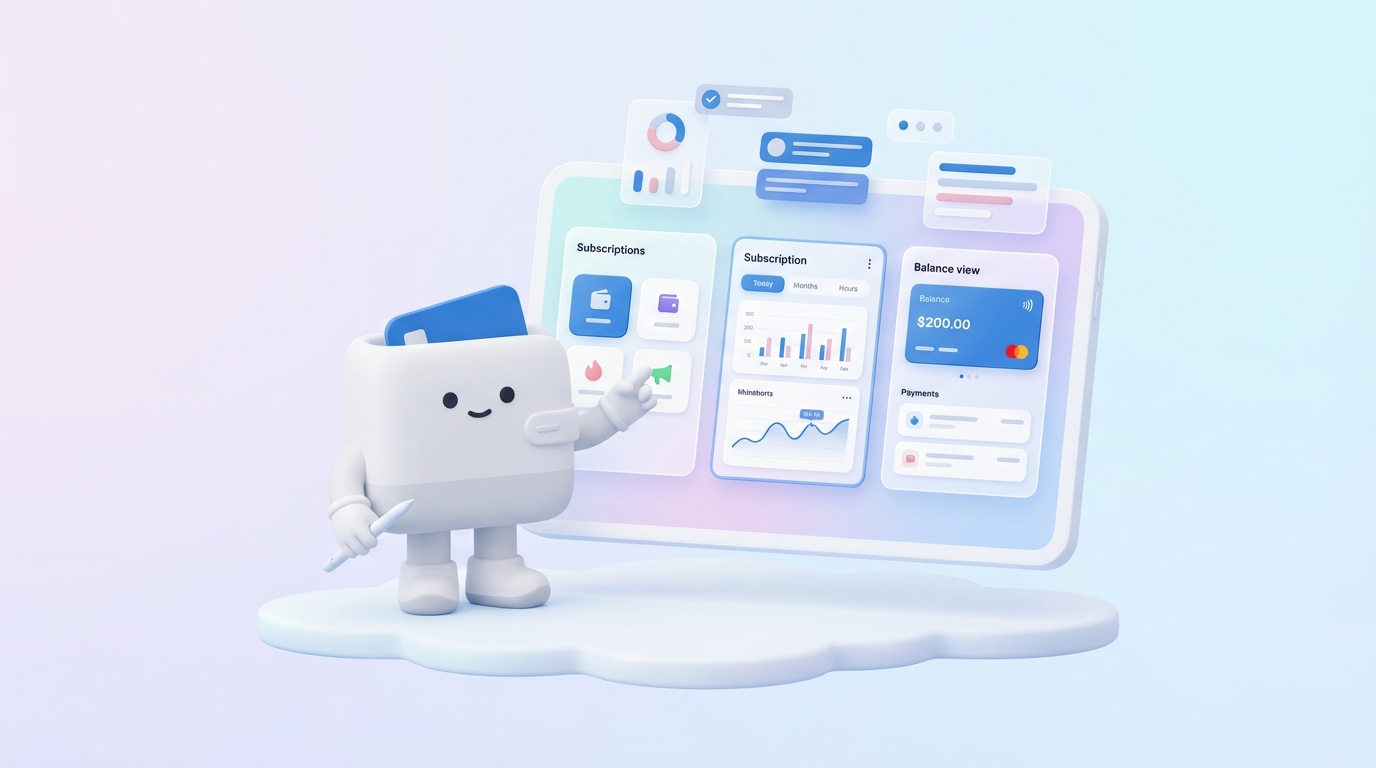
With an array of options available, selecting the ideal subscription dashboard can seem daunting. The "best" tool isn't one-size-fits-all; it depends entirely on your personal needs, financial habits, and comfort level with technology and data sharing. Here's how to make an informed decision:
The first step is to assess what you're willing to pay and what level of functionality you require. Are you looking for a completely free solution, or are you open to a paid subscription for more advanced features? Free apps like Bobby (for manual tracking) or the basic features of Mint can provide a good starting point if your budget is zero. However, if you want automated detection, direct cancellation assistance, bill negotiation, or comprehensive budgeting tools, you might need to invest in a premium service like Rocket Money or the full version of a budgeting app. List out your must-have features (e.g., automatic detection, cancellation support, detailed spending reports, mobile access) versus nice-to-haves, and then compare them against the offerings of various tools.
A subscription dashboard, no matter how feature-rich, is only effective if you actually use it. Pay close attention to the app's user interface (UI) and overall ease of use. Is it intuitive? Can you quickly find the information you need? Does it present data in a clear, digestible format (e.g., charts, graphs)? Many apps offer free trials; take advantage of these to test out the UI and see if it aligns with how you prefer to interact with financial data. If an app feels clunky or confusing, you're less likely to integrate it into your routine, defeating the purpose of centralizing your subscriptions.
For automated subscription detection, the dashboard needs to integrate with your bank accounts and credit cards. Consider how many accounts you have and whether the chosen tool supports all of them. Some apps might have better integration with certain banks than others. While manual entry apps like Bobby offer greater privacy, they demand more effort on your part to keep track of everything. Decide if the convenience of automated detection outweighs any concerns you might have about linking your financial accounts. If you opt for automation, ensure the app uses a secure, reputable third-party service (like Plaid) for bank linking.
This is perhaps the most critical factor. You are entrusting sensitive financial information to these tools. Before committing to any app, thoroughly research its security protocols and privacy policy. Look for:
If you're particularly sensitive about sharing financial data, a manual spreadsheet or a simple manual-entry app like Bobby might be a more comfortable, albeit less automated, choice. Always weigh the benefits of automation against your personal privacy comfort level.

Implementing a unified subscription dashboard goes far beyond just knowing what you pay for; it fundamentally transforms your financial management, bringing clarity, control, and significant savings.
This is often the most immediate and gratifying benefit. A centralized dashboard makes it incredibly easy to spot subscriptions you signed up for but rarely use, or even entirely forgot about. That free trial that turned into a monthly charge, the niche streaming service you only watched once, or the fitness app you stopped using – they all become visible. With a clear overview, you can quickly decide to cancel these services, instantly freeing up cash. Many dedicated subscription apps even offer one-click cancellation or negotiation services, simplifying the process and directly leading to tangible monthly savings that can add up to hundreds or even thousands of dollars annually.
Understanding your recurring expenses is a cornerstone of effective budgeting. A unified dashboard provides a crystal-clear picture of your fixed monthly outflows dedicated to subscriptions. This knowledge allows you to create more accurate budgets, allocate funds more realistically, and identify areas where you can cut back to achieve other financial goals, such as saving for a down payment, investing, or paying off debt. It transforms vague estimates into concrete figures, making your financial planning more robust and effective.
Forgotten renewal dates or unexpected price hikes can lead to frustrating and costly surprises. A dashboard that tracks renewal dates and alerts you to upcoming charges helps you stay ahead. You can then decide if you want to continue the service, downgrade, or cancel before the charge hits your account. This proactive approach prevents overdraft fees, bounced payments, and the general stress of unexpected deductions, leading to a smoother financial flow.
Seeing all your subscriptions in one place offers valuable insights into your overall spending habits and priorities. Are you spending more on entertainment than you realized? Are there multiple services offering similar benefits that you could consolidate? This bird's-eye view encourages self-reflection and empowers you to make more conscious choices about where your money is going. It can highlight areas of overspending or reveal opportunities to reallocate funds to services that genuinely add value to your life.
Perhaps the most understated benefit is the reduction in financial stress. The anxiety of not knowing exactly what you're paying for, the fear of hidden charges, or the feeling of being out of control financially can be mentally draining. A centralized subscription dashboard eliminates this guesswork. By bringing clarity and control to your recurring expenses, it instills a sense of confidence and peace of mind. You know precisely where you stand, allowing you to focus your mental energy on more productive endeavors rather than worrying about forgotten subscriptions.
Setting up your subscription dashboard is a fantastic first step, but effective management is an ongoing process. To truly maintain control and maximize savings, incorporate these practical tips into your financial routine.
Don't just set it and forget it. Schedule a recurring "subscription audit" on your calendar, perhaps quarterly or semi-annually. During this audit, open your dashboard and review every single active subscription. Ask yourself:
This regular review helps you catch services that have become irrelevant or underutilized before they drain too much money from your account. It's also an opportunity to confirm pricing and renewal dates.
For any subscription that you're unsure about keeping long-term, or for those with significant annual fees, set reminders a week or two before the renewal date. Many subscription management apps offer this feature automatically, but you can also use your phone's calendar or a general reminder app. This allows you ample time to evaluate whether to continue the service, cancel it, or look for a better deal before you're automatically charged for another billing cycle.
When signing up for new free trials or subscriptions you're unsure about, consider using virtual credit card numbers if your bank or a service like Privacy.com offers them. Virtual cards allow you to set spending limits or even create single-use numbers that expire after a transaction. This creates a powerful safeguard: if you forget to cancel a free trial, the virtual card will decline the charge, preventing you from being billed. It puts you in direct control, ensuring no unwanted charges slip through.
Don't assume subscription prices are fixed. Many companies, especially for services like internet, cable, or even some streaming platforms, are open to negotiation, particularly if you're a long-time customer or if they have competitive offers. Contact customer service and politely inquire about promotional rates or loyalty discounts. If a full cancellation isn't desired, consider downgrading to a cheaper plan that still meets your needs. For instance, do you really need the premium streaming tier, or would a standard plan suffice?
Take a critical look at your dashboard for redundant services. Are you paying for multiple cloud storage solutions when one would suffice? Do you have two different news subscriptions that cover similar content? Could you share a family plan for a streaming service instead of paying for individual accounts? Identifying and consolidating similar services can lead to significant savings without sacrificing functionality or enjoyment. Prioritize the services that offer the most value and eliminate the rest.
The modern subscription economy, while offering unparalleled convenience, also presents a significant challenge to financial control. It's easy to get caught in a web of recurring payments, leading to forgotten expenses, wasted money, and unnecessary financial stress. However, by adopting a proactive approach and leveraging the right tools, you can transform this challenge into an opportunity for greater financial awareness and savings.
By diligently uncovering all your existing subscriptions through bank statements, email searches, and app store checks, you lay the groundwork for informed decision-making. Subsequently, utilizing a centralized subscription dashboard – whether it's a dedicated app like Rocket Money, a feature within a personal finance manager like Mint, or even a meticulously maintained spreadsheet – empowers you with a clear, consolidated overview of your recurring financial commitments. This visibility is crucial for identifying and eliminating unused services, leading to immediate and tangible savings.
Beyond just cutting costs, a unified dashboard enhances your overall financial well-being. It sharpens your budgeting skills, protects you from unexpected charges, and provides invaluable insights into your spending habits. Furthermore, by implementing ongoing management strategies such as regular audits, setting renewal reminders, using virtual cards, and actively seeking to negotiate or consolidate services, you establish a robust system that ensures long-term control over your subscription spending.
Don't let the convenience of recurring payments translate into financial complacency. Take the definitive step today to gather all your subscriptions into one centralized dashboard. Reclaim your financial peace of mind, make your money work harder for you, and ensure that every dollar you spend on subscriptions genuinely aligns with your needs and values. Your future self – and your bank account – will thank you for it.
Written by
Founder & CEO
Sharing knowledge on personal finance, budget management, and investment strategies to help you achieve financial freedom.