13 min read
'%3e%3cg%20clip-path='url(%23b6dc094121)'%3e%3cpath%20fill='%230066cc'%20d='M%2012.707031%205.710938%20L%2012.707031%2035.761719%20L%2037.007812%2035.761719%20L%2037.007812%205.710938%20Z%20M%2012.707031%205.710938%20'%20fill-opacity='1'%20fill-rule='nonzero'/%3e%3c/g%3e%3c/g%3e%3cg%20clip-path='url(%23cd2e57bbdf)'%3e%3cg%20clip-path='url(%23cc31bb2a50)'%3e%3cpath%20fill='%230066cc'%20d='M%2026.734375%201.035156%20L%2026.734375%2035.761719%20L%2036.882812%2035.761719%20L%2036.882812%201.035156%20Z%20M%2026.734375%201.035156%20'%20fill-opacity='1'%20fill-rule='nonzero'/%3e%3c/g%3e%3c/g%3e%3cg%20clip-path='url(%23ab469c456a)'%3e%3cg%20clip-path='url(%23fb318aa8dc)'%3e%3cpath%20fill='%230066cc'%20d='M%200.0546875%201.035156%20L%200.0546875%2035.761719%20L%2010.203125%2035.761719%20L%2010.203125%201.035156%20Z%20M%200.0546875%201.035156%20'%20fill-opacity='1'%20fill-rule='nonzero'/%3e%3c/g%3e%3c/g%3e%3cg%20clip-path='url(%238fe1ac7b9f)'%3e%3cg%20clip-path='url(%23f68e7172d0)'%3e%3cpath%20fill='%230066cc'%20d='M%200%205.710938%20L%200%2035.761719%20L%2024.269531%2035.761719%20L%2024.269531%205.710938%20Z%20M%200%205.710938%20'%20fill-opacity='1'%20fill-rule='nonzero'/%3e%3c/g%3e%3c/g%3e%3c/svg%3e)
In today's fast-paced business environment, understanding your financial position isn't enough; you need to know it now. Real-time cash flow monitoring provides immediate insights into your company's financial health, empowering you to make swift, informed decisions. This comprehensive guide will eq

Yağız Gürbüz
Founder & CEO

🎧 En iyi deneyim için kulaklık kullanmanızı öneririz
In today's fast-paced business environment, understanding your financial position isn't enough; you need to know it now. Real-time cash flow monitoring provides immediate insights into your company's financial health, empowering you to make swift, informed decisions. This comprehensive guide will equip you with the knowledge, strategies, and tools to master your cash flow in real time.
Real-time cash flow refers to the continuous, up-to-the-minute tracking and analysis of money flowing into and out of your business. Unlike traditional cash flow statements, which are often prepared monthly or quarterly and reflect historical data, real-time monitoring provides a dynamic, live snapshot of your current cash position. It means having access to your bank balances, incoming payments, and outgoing expenses as they happen, enabling a truly proactive approach to financial management. This immediate visibility allows businesses to react swiftly to changes, seize opportunities, and mitigate risks before they escalate. It shifts the focus from looking backward to looking forward, providing a living financial pulse of your organization.
Traditional cash flow reporting, while essential for statutory purposes, inherently suffers from a time lag. By the time a monthly statement is compiled, critical events that could impact solvency or liquidity might have already occurred without immediate detection. Real-time cash flow monitoring closes this gap, offering a continuous feed of transactional data that can be aggregated, analyzed, and presented in an easily digestible format. This immediacy is not just about speed; it's about the quality and relevance of information available for strategic decision-making. It transforms raw data into actionable intelligence, accessible precisely when it's most needed.
Real-time monitoring is not merely a luxury but a necessity for modern businesses striving for financial agility and resilience. Its crucial importance stems from several key factors, primarily enabling quick decision-making. With up-to-the-minute data, business leaders can identify trends, anticipate shortfalls, and capitalize on surpluses instantly. This could mean deciding whether to take on a new project, negotiate better payment terms with suppliers, or initiate collections on outstanding invoices, all based on current facts rather than outdated estimates. Such agility is a significant competitive advantage in volatile markets, allowing businesses to pivot quickly.
Furthermore, real-time cash flow directly impacts a company's solvency and liquidity. Solvency, the ability to meet long-term debts, and liquidity, the ability to meet short-term obligations, are foundational to business survival. Without real-time insights, a company might unknowingly drift towards a liquidity crisis, unable to cover payroll or immediate operational expenses. Real-time monitoring acts as an early warning system, flagging potential issues well in advance, providing ample time to implement corrective measures such as accelerating receivables, delaying non-essential payments, or securing short-term financing. This proactive management significantly reduces the risk of unexpected financial distress and ensures the business remains on a stable footing, capable of fulfilling its financial commitments consistently.

To effectively monitor cash flow in real time, it's essential to understand the individual components that contribute to the overall picture. These components represent all the financial transactions that either bring money into the business or take money out. Tracking each of these accurately and promptly is the cornerstone of effective real-time monitoring.
Cash inflows represent all the money coming into your business. The most significant sources typically include cash from sales of goods or services, which can be immediate (cash sales) or deferred (credit sales that become accounts receivable). For real-time monitoring, tracking sales revenue as it occurs is critical, but even more important is monitoring the status of your accounts receivable. This involves knowing who owes you money, how much, and when it's due. Integrating your sales and invoicing systems with your cash flow dashboard allows for immediate updates when an invoice is issued and, crucially, when a payment is received. Other inflows might include interest earned, proceeds from asset sales, or loan disbursements.
Accurate and timely data for cash inflows means not just recording sales but also meticulously tracking payment terms and actual payment dates. Delays in receiving payments can significantly impact your real-time cash position, regardless of the volume of sales. Therefore, systems that automatically update receivable balances upon customer payment, ideally through direct bank feeds, are invaluable. This helps identify slow-paying customers promptly and allows for immediate follow-up, ensuring that expected cash arrives when anticipated. Understanding the velocity of your cash inflows is just as important as the volume.
Cash outflows represent all the money leaving your business. These typically include payments for goods and services purchased (accounts payable), operational expenses like rent, utilities, and marketing, and perhaps most critically, payroll. For real-time monitoring, it’s vital to have a clear, immediate view of all upcoming and recently departed payments. This means tracking invoices from suppliers as they are received and processed, knowing their due dates, and monitoring actual payment execution. Automated systems can link purchase orders and expense reports directly to your cash flow dashboard, providing a comprehensive view of impending liabilities.
Payroll is often one of the largest and most consistent cash outflows, and any real-time system must accurately account for it, including salaries, wages, taxes, and benefits. Integrating payroll systems ensures that these significant outflows are always factored into the current cash position. Other outflows include loan repayments, tax payments, and capital expenditures. The goal is to avoid surprises by having full visibility into all commitments before they become due. Timely and accurate data for outflows helps in managing working capital effectively, ensuring that there is always sufficient cash to cover necessary expenses without dipping into reserves unnecessarily or incurring overdraft fees.
At the heart of real-time cash flow monitoring are your current bank balances and the ability to reconcile them continuously. This involves directly linking your business bank accounts to your accounting or cash flow management software. The aim is to have an up-to-the-minute display of the cash actually available in your accounts, reflecting all cleared transactions. This is often achieved through direct bank feeds, which automatically import transaction data throughout the day, eliminating the need for manual data entry and reducing the lag inherent in traditional reconciliation processes.
While bank feeds provide a near real-time view of cleared transactions, it's also important to track pending transactions and those that have been initiated but not yet cleared. This includes checks issued but not yet cashed, or payments received but not yet deposited or cleared by the bank. Continuous, or "soft," reconciliation ensures that your internal records align with your bank's records, catching discrepancies quickly. This continuous alignment provides the most accurate possible picture of your true cash position at any given moment, which is paramount for making informed operational and strategic decisions regarding liquidity.
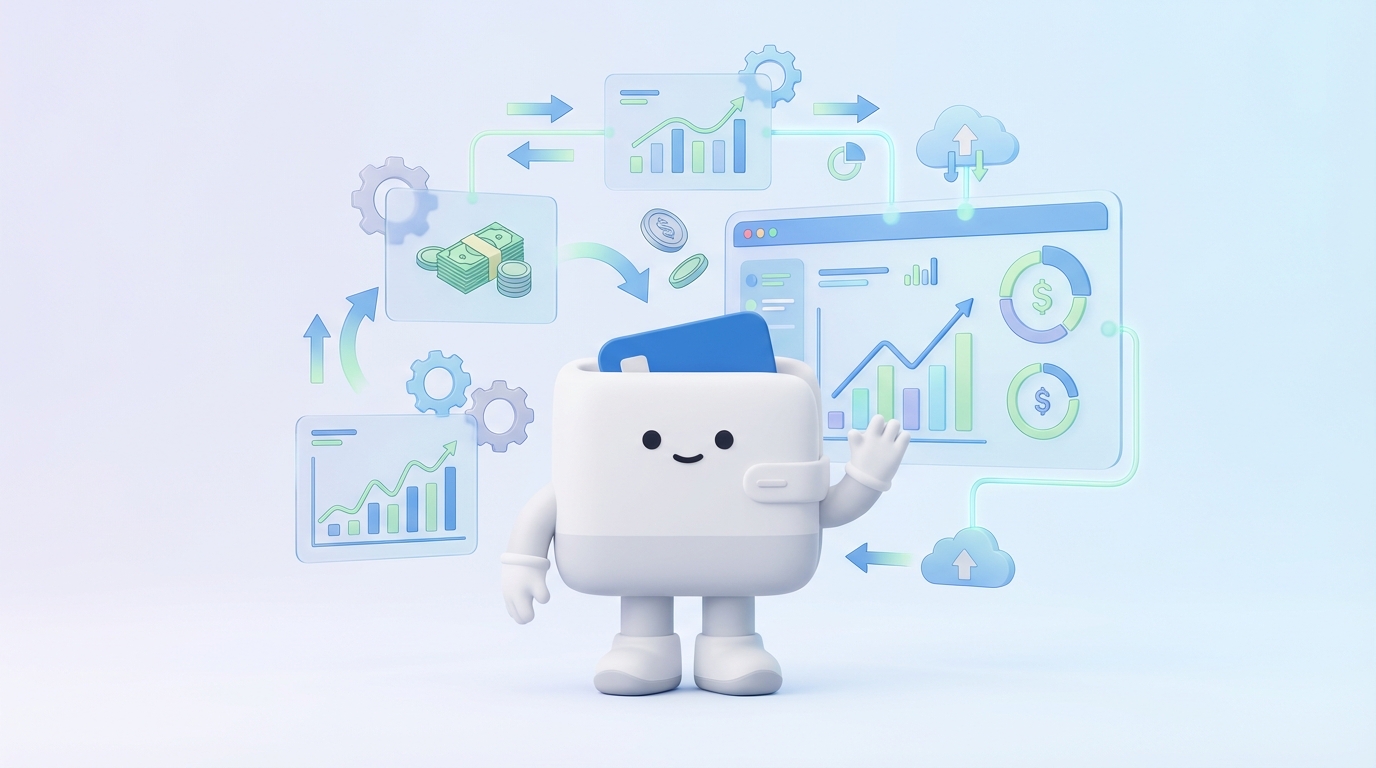
Implementing real-time cash flow tracking requires a strategic approach, combining technological solutions with robust internal processes. It's about creating a seamless flow of financial information throughout your organization, ensuring data is captured, processed, and presented instantly.
One of the most critical steps in achieving real-time cash flow monitoring is centralizing all your financial data. In many businesses, financial information is often scattered across various systems: sales data in a CRM, invoices in an accounting package, payroll in a separate system, and bank statements downloaded periodically. This fragmentation makes it impossible to get a holistic, real-time view. Centralization means bringing all these disparate data sources into a single, unified platform or a tightly integrated ecosystem of tools. This often involves adopting an enterprise resource planning (ERP) system or a robust cloud-based accounting solution that serves as the primary hub for all financial transactions.
By centralizing data, you eliminate data silos and ensure that every department is working from the same, up-to-date information. For instance, when a sale is made, it immediately updates receivables; when an expense is approved, it immediately impacts projected outflows. This single source of truth not only improves accuracy but also streamlines reporting and analysis, as all relevant data points are available for real-time aggregation and visualization. This foundational step is essential for building a reliable real-time cash flow system, as it ensures consistency and accessibility of information across the entire financial landscape of the business.
Manual data entry is a significant bottleneck and a primary source of errors in traditional cash flow management. To achieve real-time insights, automation is paramount. This involves setting up systems that automatically capture financial transactions, categorize them, and feed them into your central financial platform. A prime example is integrating direct bank feeds, which automatically import transaction data from your bank accounts into your accounting software. This eliminates the need to manually enter every deposit and withdrawal, ensuring that your cash balance is always current.
Beyond bank feeds, automation extends to other areas:
While automation handles the data capture, implementing daily cash flow reporting ensures that this real-time data is actively reviewed and acted upon. This doesn't necessarily mean generating complex reports every day but rather having a dedicated dashboard or summary view that is updated continuously and reviewed daily by key financial personnel. This daily check-in allows for immediate identification of significant inflows or outflows, unexpected variances, or potential shortfalls.
A daily report could include:
The direct integration of bank feeds and payment systems is arguably the most impactful strategy for achieving real-time cash flow. Bank feeds provide a direct, secure, and automated connection between your business bank accounts and your accounting or cash flow management software. This continuous stream of data means that every deposit and withdrawal, once cleared by the bank, is immediately reflected in your financial records without any manual input.
Similarly, integrating all payment systems—both those for receiving payments (e.g., payment gateways like Stripe, PayPal, Square) and those for making payments (e.g., bill payment services, direct debit systems)—is crucial. When a customer pays through your integrated payment gateway, that transaction should instantly update their outstanding invoice and your accounts receivable balance, simultaneously notifying your cash flow dashboard of an incoming fund. When you initiate a payment to a vendor, the system should register that outflow immediately, even before the funds officially leave your bank account. This level of integration ensures that your cash flow projections and actuals are as close to reality as possible, minimizing lag and providing the most accurate picture of your immediate financial standing.
Cloud-based accounting software forms the backbone of modern real-time cash flow monitoring strategies. Platforms like QuickBooks Online, Xero, and Sage Business Cloud are designed from the ground up to facilitate real-time data processing and accessibility. Unlike traditional desktop software, cloud solutions offer several inherent advantages:

The market offers a wide array of tools designed to assist businesses in achieving real-time cash flow visibility. Choosing the right combination of software is crucial for success, often depending on the size and complexity of your business operations.
Modern accounting software packages are no longer just for recording historical transactions; they are increasingly becoming powerful hubs for real-time financial management. Platforms like QuickBooks Online, Xero, and Sage Business Cloud offer robust features specifically designed to provide real-time insights:
For many small to medium-sized businesses, a cloud-based accounting system like these can serve as the primary tool for real-time cash flow monitoring, especially when complemented by its integration capabilities.
While general accounting software provides a good foundation, dedicated cash flow management tools often offer more specialized and granular insights, particularly for forecasting and scenario planning. These tools typically integrate with your existing accounting software to pull in the necessary data and then provide advanced analytical capabilities:
These specialized tools excel at providing deeper dives into cash flow projections, allowing businesses to test "what-if" scenarios, identify potential bottlenecks months in advance, and optimize working capital more effectively than general accounting software alone.
For businesses with more complex data requirements or those looking to combine financial data with operational metrics, Business Intelligence (BI) dashboards are invaluable. Tools like Microsoft Power BI, Tableau, or even custom dashboards built using Google Data Studio can pull data from various sources (accounting software, CRM, ERP, spreadsheets) and present it in highly customizable, interactive visualizations.
A BI dashboard can provide a comprehensive, real-time view of your business's financial health by:
For very small businesses or those just starting, spreadsheet-based solutions (e.g., Google Sheets, Microsoft Excel) can serve as a rudimentary form of cash flow monitoring. They are flexible, cost-effective, and familiar to most users. Businesses can set up templates to track daily inflows, outflows, and bank balances. However, there are significant caveats:
While useful for initial conceptualization or supplementary analysis, spreadsheets are generally not recommended as the primary tool for real-time cash flow monitoring due to their inherent limitations in automation, integration, and scalability. They are best used for specific, isolated analyses or as a stepping stone to more robust software solutions.

A well-designed real-time cash flow dashboard is the command center for your financial agility. It should provide immediate, actionable insights without requiring extensive analysis. Setting it up effectively involves identifying key metrics, customizing the view, and establishing alerts.
The first step in setting up an effective real-time cash flow dashboard is to identify the Key Performance Indicators (KPIs) that are most critical to your business's financial health. These are the metrics that, when monitored continuously, provide the clearest picture of your immediate and near-future cash position. Common cash flow KPIs include:
The selection of KPIs should align with your business model and strategic objectives. For example, a subscription-based business might prioritize recurring revenue alongside cash flow, while a project-based business might focus on project-specific cash inflows and outflows. The key is to choose metrics that directly impact your liquidity and solvency and enable quick, informed decisions.
Once you've identified your critical KPIs, the next step is to customize your dashboard view to present this information in the most clear, intuitive, and actionable way possible. Most modern accounting software and dedicated cash flow tools offer significant customization options, allowing you to arrange widgets, charts, and tables to suit your preferences. Consider the following:
A well-customized dashboard should act as a dynamic storytelling tool, instantly conveying the financial narrative of your business. It should answer critical questions at a glance and provide the depth needed for further investigation.
Beyond the visual dashboard, setting up automated reports and alerts is crucial for proactive cash flow management. This ensures that you are notified of significant changes or impending issues without constantly monitoring the screen.
Automated reports keep stakeholders informed, while real-time alerts provide critical early warnings, transforming the dashboard from a passive viewing tool into an active, intelligent assistant that proactively highlights areas requiring immediate attention. This allows for timely intervention, preventing minor issues from escalating into major financial problems.
Adopting a real-time approach to cash flow monitoring transcends mere financial record-keeping; it transforms how a business operates, enabling greater agility, resilience, and strategic advantage.
The most immediate and significant benefit of real-time cash flow monitoring is the dramatic improvement in decision-making and overall business agility. With up-to-the-minute information on your cash position, leaders can make swift, informed choices rather than relying on outdated data or gut feelings. For instance, if a sudden large payment comes in, you might immediately decide to pay down a high-interest loan, invest in a new opportunity, or take advantage of an early payment discount from a supplier. Conversely, if a projected inflow is delayed, you can quickly adjust expenditure plans or initiate collection efforts proactively.
This level of agility allows businesses to respond rapidly to market changes, unexpected events, or emerging opportunities. It empowers management to pivot strategies, reallocate resources, and optimize operations with confidence, knowing the immediate financial implications of each decision. This capability is invaluable in today's dynamic economic landscape, where speed and responsiveness can be critical differentiators.
Real-time cash flow management directly contributes to enhanced liquidity and solvency, which are fundamental to a business's survival and growth. By continuously monitoring cash inflows and outflows, businesses can maintain optimal cash reserves, ensuring they always have enough liquid assets to meet short-term obligations.
This proactive management reduces financial stress and provides peace of mind, allowing the business to focus on growth and innovation rather than constantly worrying about immediate financial viability.
Traditional budgeting and forecasting often rely on historical data and periodic updates, which can quickly become obsolete. Real-time cash flow monitoring provides the continuous stream of actual financial data needed to significantly improve the accuracy of future financial predictions. By comparing real-time actuals against budgeted figures, businesses can identify variances immediately and understand the underlying causes.
This constant feedback loop allows for:
The improved accuracy in budgeting and forecasting leads to more strategic resource allocation and a clearer path towards achieving financial goals, minimizing surprises and maximizing preparedness.
One of the most critical advantages of real-time monitoring is its ability to act as an early warning system. Rather than discovering a problem at the end of the month or quarter when it might be too late, real-time systems flag anomalies, unexpected drops in cash balance, or delays in payments as they happen. This allows for immediate investigation and intervention.
Examples of early identification include:
By catching issues early, businesses can take corrective action quickly, preventing minor problems from escalating into major financial crises and mitigating potential losses.
Working capital management is intrinsically linked to cash flow. Real-time monitoring provides the visibility needed to optimize the flow of working capital, which is the difference between current assets and current liabilities. Effective real-time management allows businesses to:
Optimizing working capital ensures that capital is deployed efficiently and productively, supporting operational needs and freeing up funds for strategic investments or growth initiatives. This leads to a healthier balance sheet and increased profitability.
While the benefits of real-time cash flow monitoring are substantial, implementing and maintaining such a system comes with its own set of challenges. Addressing these proactively through best practices is key to successful adoption and long-term effectiveness.
The foundation of any real-time system is accurate and reliable data. Inaccurate data fed into a real-time dashboard is worse than no data, as it can lead to flawed decisions. Challenges include manual entry errors, incorrect categorization of transactions, duplicate entries, and discrepancies between different data sources.
Best Practices:
Maintaining data accuracy is an ongoing effort that requires vigilance and robust system design.
Integrating various financial and operational systems (CRM, ERP, payroll, payment gateways, banking) can be complex, especially for businesses with legacy systems or a diverse software ecosystem. Challenges include incompatible data formats, API limitations, and the need for custom development.
Best Practices:
A well-planned integration strategy is vital to create a seamless flow of real-time financial data.
Even the most sophisticated real-time cash flow system is useless if employees don't know how to use it or resist adopting new workflows. Challenges include resistance to change, lack of technical proficiency, and insufficient training.
Best Practices:
Successful adoption hinges on demonstrating value and making the transition as smooth as possible for employees.
The business environment is constantly changing, and so should your cash flow monitoring system. Challenges include outdated KPIs, inefficient workflows, and a failure to adapt to new business needs.
Best Practices:
Real-time cash flow management is not a one-time setup but an ongoing process of refinement and adaptation to ensure it continues to serve the evolving needs of the business.
The evolution of cash flow monitoring is moving beyond merely tracking current and historical data into the realm of intelligent foresight. Artificial Intelligence (AI) and predictive analytics are poised to revolutionize how businesses manage their cash, transforming it from a reactive or even proactive process into a truly predictive and prescriptive one.
AI-powered cash flow solutions will go beyond simple forecasting by analyzing vast datasets, including historical transactions, market trends, economic indicators, and even non-financial data points like social media sentiment or weather patterns. Machine learning algorithms can identify complex patterns and correlations that human analysts might miss, leading to significantly more accurate cash flow predictions. This means not just knowing what your cash balance will likely be next week, but understanding the probability of various scenarios and the specific factors driving them.
Predictive analytics will enable businesses to anticipate cash flow disruptions before they occur. For example, AI could predict which customers are likely to pay late based on their past payment behavior and external credit scores, allowing for targeted, early collection efforts. It could also suggest optimal payment schedules for suppliers to maximize working capital without damaging relationships. Furthermore, AI could identify potential liquidity crunches months in advance, automatically suggesting strategies to mitigate them, such as accelerating specific receivables or delaying non-critical expenditures.
The future dashboard might not just display current balances but also highlight "high-risk" transactions, suggest optimal investment opportunities for surplus cash, or even automate certain cash management decisions based on predefined rules and AI insights. This shift towards prescriptive cash flow management will empower businesses to make smarter, data-driven financial decisions with unprecedented confidence and efficiency, further enhancing financial agility and reducing risk.
In the demanding landscape of modern business, real-time cash flow monitoring is no longer an optional luxury but a fundamental requirement for financial health and competitive advantage. By embracing the strategies and tools outlined in this guide, businesses can transition from a reactive approach to a proactive and ultimately predictive one, gaining unparalleled visibility into their financial pulse. Understanding your cash inflows and outflows as they happen, leveraging powerful cloud-based software and dedicated tools, and designing intelligent dashboards with automated alerts empowers you to make rapid, informed decisions that directly impact your liquidity, solvency, and overall operational efficiency.
The benefits are clear: improved decision-making, enhanced financial stability, more accurate forecasting, early detection of financial issues, and optimized working capital. While challenges such as data accuracy and integration complexities exist, they are surmountable with careful planning, strategic investment in technology, and a commitment to continuous improvement. As we look to the future, the integration of AI and predictive analytics promises even greater levels of foresight and automation, further solidifying cash flow management as a strategic imperative.
Don't let your business operate in the dark when it comes to its most vital asset. Invest in real-time cash flow monitoring today to gain the financial agility needed to navigate market fluctuations, seize opportunities, and ultimately, master your business. Take the first step towards a more secure and prosperous financial future by implementing these strategies and transforming your approach to money management.
Written by
Founder & CEO
Sharing knowledge on personal finance, budget management, and investment strategies to help you achieve financial freedom.