
13 min read
'%3e%3cg%20clip-path='url(%23b6dc094121)'%3e%3cpath%20fill='%230066cc'%20d='M%2012.707031%205.710938%20L%2012.707031%2035.761719%20L%2037.007812%2035.761719%20L%2037.007812%205.710938%20Z%20M%2012.707031%205.710938%20'%20fill-opacity='1'%20fill-rule='nonzero'/%3e%3c/g%3e%3c/g%3e%3cg%20clip-path='url(%23cd2e57bbdf)'%3e%3cg%20clip-path='url(%23cc31bb2a50)'%3e%3cpath%20fill='%230066cc'%20d='M%2026.734375%201.035156%20L%2026.734375%2035.761719%20L%2036.882812%2035.761719%20L%2036.882812%201.035156%20Z%20M%2026.734375%201.035156%20'%20fill-opacity='1'%20fill-rule='nonzero'/%3e%3c/g%3e%3c/g%3e%3cg%20clip-path='url(%23ab469c456a)'%3e%3cg%20clip-path='url(%23fb318aa8dc)'%3e%3cpath%20fill='%230066cc'%20d='M%200.0546875%201.035156%20L%200.0546875%2035.761719%20L%2010.203125%2035.761719%20L%2010.203125%201.035156%20Z%20M%200.0546875%201.035156%20'%20fill-opacity='1'%20fill-rule='nonzero'/%3e%3c/g%3e%3c/g%3e%3cg%20clip-path='url(%238fe1ac7b9f)'%3e%3cg%20clip-path='url(%23f68e7172d0)'%3e%3cpath%20fill='%230066cc'%20d='M%200%205.710938%20L%200%2035.761719%20L%2024.269531%2035.761719%20L%2024.269531%205.710938%20Z%20M%200%205.710938%20'%20fill-opacity='1'%20fill-rule='nonzero'/%3e%3c/g%3e%3c/g%3e%3c/svg%3e)
Are you unknowingly losing money each month to forgotten subscriptions? These hidden costs silently chip away at your budget, making it harder to reach your financial goals. Discover how to identify, eliminate, and prevent these stealthy drains to reclaim control of your hard-earned money and secure

Yağız Gürbüz
Founder & CEO


🎧 En iyi deneyim için kulaklık kullanmanızı öneririz
Are you unknowingly losing money each month to forgotten subscriptions? These hidden costs silently chip away at your budget, making it harder to reach your financial goals. Discover how to identify, eliminate, and prevent these stealthy drains to reclaim control of your hard-earned money and secure your financial future.
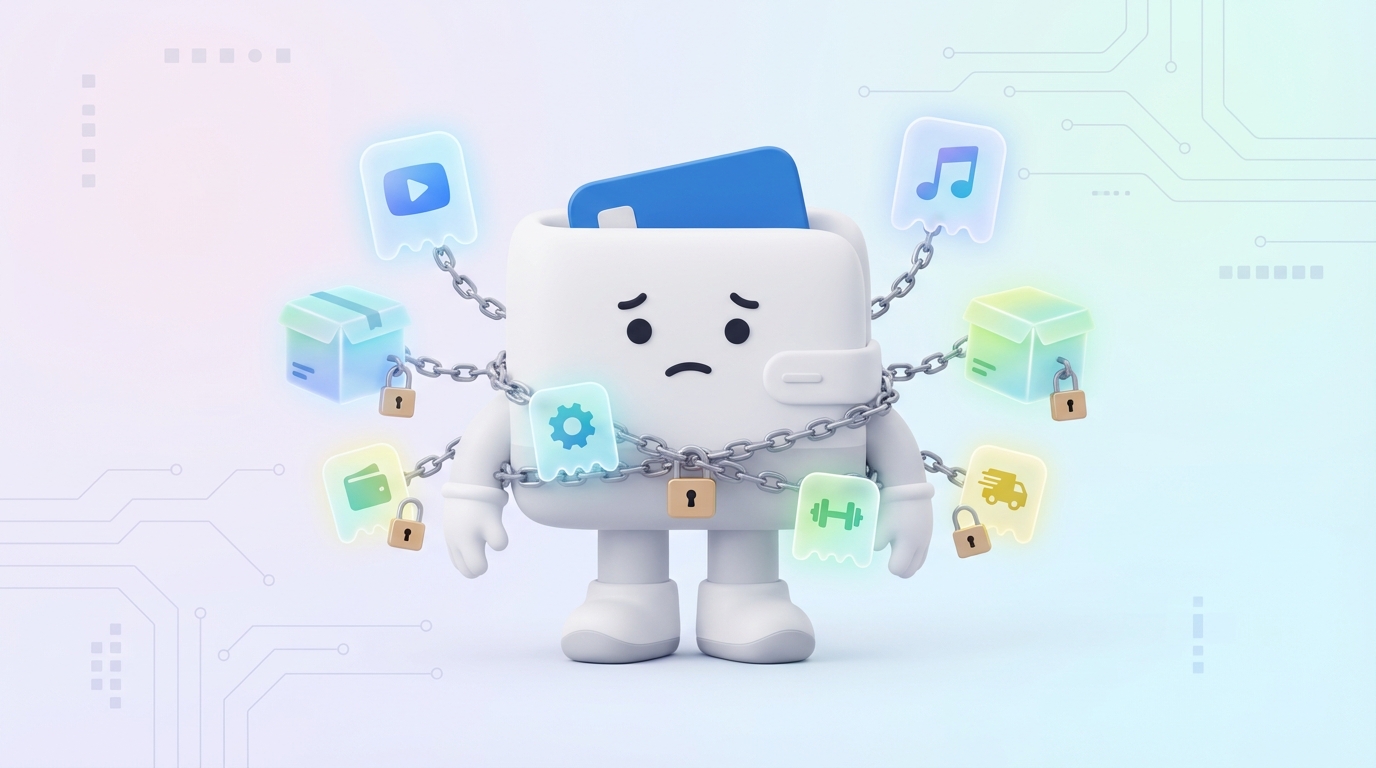
Hidden subscription costs represent one of the most insidious threats to personal finance today. Unlike a one-time purchase, these recurring charges often start small, making them easy to overlook, yet they accumulate into significant drains on your monthly budget. They operate in the background, a constant hum of financial leakage that can derail even the most carefully constructed financial plans. Understanding the nature of these costs and the psychological traps that lead us into them is the first critical step toward regaining control.
Many individuals are surprised when they finally tally up their recurring expenses, often discovering subscriptions for services they no longer use, or even forgot they signed up for. This silent erosion of funds not only impacts disposable income but can also hinder progress towards larger financial objectives like saving for a down payment, paying off debt, or building an emergency fund. The cumulative effect of several seemingly insignificant subscriptions can be substantial, turning hundreds of dollars over a year into thousands, all without a clear understanding of where that money is going.
'Hidden' subscription costs are recurring charges for services, apps, or memberships that you either no longer actively use, have forgotten about, or are unaware you're still paying for. They aren't necessarily "hidden" in the sense that they are fraudulent or deliberately obscured by providers; rather, they become hidden due to our own oversight, the sheer volume of digital services available, and the ease with which we can sign up. These costs often begin with a free trial, a promotional offer, or a moment of impulse, and then quietly transition into paid subscriptions once the initial period ends, often without a prominent notification.
Examples range from streaming services and premium app features to online magazine subscriptions, cloud storage, fitness programs, and even retail membership perks. The problem isn't the service itself, but the disconnect between paying for it and actively utilizing its value. When these costs accumulate unnoticed, they become a significant, often invisible, drag on financial health, making it difficult to accurately track spending and budget effectively.
The phenomenon of subscription creep, where recurring charges gradually expand and overwhelm a budget, is deeply rooted in human psychology and modern consumer behavior. Several factors contribute to why we fall victim to these stealthy drains.
Understanding these psychological drivers is crucial. By acknowledging our vulnerabilities, we can develop strategies to counteract them and prevent future subscription creep.

Our modern digital lives are built on a foundation of subscriptions, offering convenience, entertainment, and utility at our fingertips. However, this convenience comes at a cost, and it's remarkably easy for recurring charges to proliferate across various categories, often without us realizing the full extent of our commitments. Pinpointing these common culprits is essential for identifying where your money might be quietly disappearing.
This category is perhaps the most notorious for subscription creep. With an ever-expanding landscape of options, from Netflix and Hulu to Disney+, Max, Apple TV+, and countless niche platforms, it's common for households to subscribe to multiple services. While each offers a unique library, many people find themselves paying for several platforms simultaneously, often using only one or two regularly. Add to this premium music streaming services like Spotify or Apple Music, gaming subscriptions like PlayStation Plus or Xbox Game Pass, and even digital newspaper or magazine subscriptions, and the monthly total can quickly escalate. It’s easy to sign up for a new service to watch a specific show or movie and then forget to cancel once you’re done.
The pursuit of health and wellness has also become a fertile ground for recurring charges. This includes everything from meditation apps (e.g., Calm, Headspace), workout programs (e.g., Peloton App, Nike Training Club Premium), diet and nutrition trackers, and even online therapy platforms. Many people download a fitness app with the best intentions at the start of a new year or health kick, only for their enthusiasm to wane. The monthly billing, however, often continues long after the workout shoes have gathered dust, becoming a hidden expense for an unused service.
For professionals, students, and even hobbyists, software subscriptions have become ubiquitous. This category encompasses cloud storage solutions (e.g., Dropbox, Google Drive, iCloud), Adobe Creative Cloud for designers, Microsoft 365 for productivity, various project management tools, VPN services, password managers, and even premium versions of note-taking apps. While many of these are genuinely useful, it’s common to subscribe to a tool for a specific project, or to try out an alternative to an existing service, only to forget to cancel the old one or the trial of the new one once it's no longer needed. The professional utility often blinds us to the need for regular review.
The desire for continuous learning and skill development has led to a boom in online education platforms. Subscriptions to sites like Coursera Plus, Skillshare, MasterClass, LinkedIn Learning, or various language learning apps (e.g., Duolingo Plus) offer vast libraries of courses and tutorials. Many people sign up with the goal of mastering a new skill or completing a specific course, but life often intervenes. The initial motivation might fade, leaving behind an active subscription that continues to charge even if no new lessons are being accessed. The investment in personal growth can, ironically, become a financial drain if not actively managed.
Beyond digital services, physical retail and membership programs also contribute to hidden costs. This includes premium shipping programs (e.g., Amazon Prime, Walmart+), warehouse club memberships (e.g., Costco, Sam's Club), subscription boxes for anything from grooming products to pet supplies, and even premium memberships for dating apps or online communities. While some of these offer significant value through discounts or exclusive access, it's easy to overlook their recurring fees, especially if the benefits are no longer fully utilized or if the initial promotional period ends with a significant price jump.
Perhaps the most common and insidious culprit is the lapsed free trial. Many apps and services offer a 7, 14, or 30-day free trial that automatically converts to a paid subscription unless actively cancelled. It’s incredibly easy to download an app, sign up for a trial, use it once or twice, and then forget about it entirely. When the trial period ends, the charges begin, often unnoticed among other transactions. This also applies to apps that were genuinely useful at one point but have since fallen out of favor or been replaced by a free alternative, yet the premium subscription continues to bill monthly or annually. These "ghost" subscriptions represent pure financial waste.

Unmasking hidden subscription costs requires a systematic approach, acting as your own financial detective. It's not enough to simply wonder where your money is going; you need practical tools and methods to unearth every recurring charge. By diligently applying these strategies, you can gain a complete picture of your financial commitments.
This is arguably the most fundamental and effective step. Dedicate time to review at least the past 12 months of your bank statements and credit card bills. Don't just glance at the total; meticulously go through each line item. Look for recurring charges, especially those that appear monthly or annually. Be aware that some subscriptions might use different billing names than the service itself (e.g., "XYZ Co." instead of "Fitness Tracker App"). Highlight anything you don't immediately recognize or can't account for. This manual review often reveals surprises and gives you a concrete list of potential culprits. A regular audit, perhaps quarterly or bi-annually, will help keep this list updated and prevent new forgotten subscriptions from accumulating.
Your email inbox is a treasure trove of financial information. Search your email accounts for keywords like "subscription," "renewal," "invoice," "receipt," "membership," "trial," or "free trial ending." Most services send email notifications when you sign up, when your trial is ending, and when your subscription renews. This method can help you identify subscriptions you might have forgotten about or ones that are about to transition from a free trial to a paid service. Don't forget to check your spam or promotions folders, as these important emails can often get miscategorized.
In the digital age, several powerful apps are designed specifically to help you manage your subscriptions. Services like Truebill (now Rocket Money) or Mint can connect to your bank accounts and credit cards, automatically identifying recurring charges. They categorize these expenses, often highlight potential savings, and can even assist you in cancelling unwanted subscriptions directly through the app. While these apps can be incredibly convenient and efficient, always exercise caution when granting third-party access to your financial accounts. Ensure you understand their privacy policies and security measures before linking your information.
If you own a smartphone, many of your subscriptions might be managed directly through your device's app store.
For Apple users: Go to Settings > [Your Name] > Subscriptions. This will show you all active and expired subscriptions linked to your Apple ID, allowing you to manage or cancel them directly.
For Android users: Open the Google Play Store app > Tap your profile icon > Payments & subscriptions > Subscriptions. Here, you can view and manage all subscriptions associated with your Google account.
These sections are vital for uncovering premium app features, cloud storage plans, or in-app content subscriptions that might not show up clearly on your bank statements as they are often processed as "Apple" or "Google" purchases.
Beyond financial statements and app stores, consider a broader digital footprint audit. Think about all the websites, services, and apps you've interacted with over the years.
This method relies more on memory and deduction but can help uncover subscriptions that might be linked to older email addresses or less frequently used payment methods. Compile a master list of all identified subscriptions, noting the service, cost, billing cycle, and cancellation method. This comprehensive list will be your roadmap for the next step: taking action.

Once you've identified all your recurring subscriptions, the next crucial step is to take decisive action. This isn't just about cancelling; it's about evaluating value, optimizing costs, and making smart choices that align with your financial goals. By employing a range of strategies, you can effectively trim the fat from your budget and reclaim your hard-earned money.
For every subscription on your list, ask yourself a simple question: "Am I getting enough value from this service to justify its cost?" Be brutally honest. If you haven't used a streaming service in months, a fitness app since January, or a software tool for a project that finished weeks ago, it's likely a candidate for cancellation. Consider the frequency of use, the necessity of the service, and whether you could achieve the same benefits through a free or lower-cost alternative. If the answer to the value question is a resounding "no," then it's time to let it go. This rule helps you prioritize spending on services you genuinely utilize and appreciate.
Don't assume subscription prices are set in stone. Many companies, especially for services like internet, cable, or even some streaming platforms, are willing to negotiate to retain customers. Call their customer service line and explain that you're considering cancelling due to cost. They might offer a lower rate, a promotional discount, or a different plan that better suits your needs. Similarly, review your usage: do you really need the premium tier of a cloud storage service or a streaming plan with 4K resolution if you don't have a 4K TV? Downgrading to a basic plan can offer significant savings without losing the core service.
Sometimes, combining services can lead to overall savings. Internet and TV providers often offer bundles that are cheaper than paying for each service individually. Some mobile carriers offer free or discounted streaming services as part of their plans. Even within the same company, like Disney, Hulu, and ESPN+, bundling them together is often cheaper than subscribing to each separately. Research potential bundles that align with your actual usage and see if you can consolidate multiple subscriptions into a single, more cost-effective package.
Before cancelling outright, consider if there's a free or significantly cheaper alternative that meets your needs. For example, instead of a paid meditation app, YouTube offers numerous free guided meditations. Instead of a premium note-taking app, Google Keep or Apple Notes might suffice. Public libraries offer free access to e-books, audiobooks, and even some streaming services like Kanopy or Hoopla. Open-source software can replace expensive productivity tools. Be open to exploring these alternatives; you might find they offer sufficient functionality without the recurring drain on your wallet.
Some services offer the option to pause your subscription rather than cancel it entirely. This can be a great option for seasonal services (e.g., a fitness app you only use in summer) or if you're going away for an extended period. Pausing allows you to retain your account and settings, making it easy to restart when you're ready, without having to re-subscribe from scratch. This flexibility can save you money during periods of non-use while still giving you the option to easily resume the service later.
By diligently following these steps, you can effectively cut ties with unwanted subscriptions and prevent future charges, solidifying your control over your monthly budget.
Identifying and cancelling existing hidden subscriptions is a significant achievement, but the battle isn't over. To truly reclaim your financial freedom, you must implement proactive strategies to prevent future subscription drain. Building good financial habits and discipline around new sign-ups is crucial for long-term success.
Make it a non-negotiable part of your financial routine to review all your recurring expenses at least once a month. This could be done when you pay your bills or during your regular budget check-in. Look at your bank and credit card statements specifically for recurring charges. This quick, consistent check will help you catch any new subscriptions, forgotten free trials, or services you no longer use before they become hidden drains. Treat this routine as a financial hygiene task, much like brushing your teeth – essential for long-term health.
Many banks and financial services offer virtual credit cards, which are temporary, single-use, or merchant-locked card numbers linked to your main account. When signing up for a free trial that requires credit card information, use a virtual card with a low spending limit or one that expires after a short period. This way, if you forget to cancel the trial, the service won't be able to bill your main account once the trial ends, effectively cutting off the potential for unwanted charges. Services like Privacy.com specialize in creating these types of cards, providing an excellent layer of protection against accidental charges.
Leverage your digital calendar to your advantage. Whenever you sign up for a free trial, immediately set a calendar reminder a few days before the trial is scheduled to end. This gives you ample time to evaluate the service and cancel if you decide it's not worth the cost. Similarly, for annual subscriptions, set a reminder a month before the renewal date. This allows you to review your usage, consider alternatives, or negotiate a better rate before you're automatically charged for another year. Being proactive with reminders is a simple yet powerful preventive measure.
Look for opportunities to consolidate services. Do you have multiple cloud storage solutions when one larger plan would suffice? Are you paying for several news sources when one comprehensive subscription could cover your needs? Some tech companies offer bundled services (e.g., Apple One, Google One) that combine several of their offerings at a reduced overall price. By streamlining and consolidating, you reduce the number of individual bills to track and potentially save money in the process. This requires a conscious effort to evaluate overlapping services and make strategic choices.
Just as you budget for groceries or entertainment, consider creating a specific budget category for subscriptions. Decide on a maximum amount you're willing to spend each month on all your recurring services combined. If you want to add a new subscription, something else must go, or you must find a way to lower the cost of existing ones to stay within your limit. This "one in, one out" or strict spending limit approach fosters discipline and forces you to critically evaluate the value of each service before committing your money.
By integrating these proactive measures into your financial habits, you can build a robust defense against subscription creep, ensuring your money works for you, not against you.
The effort invested in unmasking and eliminating hidden subscription costs extends far beyond mere cost-cutting. It's a foundational step towards reclaiming genuine financial freedom, fostering a healthier relationship with your money, and empowering you to achieve significant long-term goals. The immediate savings are just the beginning; the real impact lies in the profound shift in your financial outlook and capabilities.
The money you free up from forgotten or unused subscriptions isn't just "extra cash" to be spent. It's an opportunity to intentionally direct funds towards areas that genuinely improve your financial well-being.
The key is intentionality. Once these funds are freed, consciously allocate them to your most pressing or impactful financial objectives.
Beyond specific monetary goals, the discipline of managing subscriptions instills broader financial habits that contribute to a healthier financial future. It cultivates an awareness of where your money is going, encourages regular budget reviews, and sharpens your decision-making skills regarding spending. This proactive approach helps you distinguish between wants and needs, prioritize value, and resist the allure of effortless consumption. You become a more engaged participant in your financial life, leading to better overall money management, reduced financial stress, and greater confidence in your ability to control your destiny. This isn't just about saving money; it's about developing a mindset of financial stewardship.
Perhaps one of the most invaluable long-term impacts is the peace of mind that comes with knowing you have full control over your budget. The anxiety of wondering where money is disappearing, or the frustration of discovering forgotten charges, can be a significant source of stress. By actively managing your subscriptions, you eliminate these silent drains and gain clarity. You know exactly what you're paying for, why you're paying for it, and that every dollar is contributing to your well-being or your goals. This sense of control reduces financial stress, allowing you to breathe easier and focus your energy on other aspects of your life. It's the tranquility of knowing your money is working for you, not against you, providing a solid foundation for overall well-being.
Reclaiming your monthly budget from hidden subscription costs is more than just a financial exercise; it's an act of empowerment. By systematically identifying, eliminating, and preventing these stealthy drains, you're not just saving money – you're building a stronger financial foundation, accelerating your journey towards financial goals, and ultimately achieving the invaluable peace of mind that comes with complete budget control. Take action today, and begin your path to true financial freedom.
Written by
Founder & CEO
Sharing knowledge on personal finance, budget management, and investment strategies to help you achieve financial freedom.